
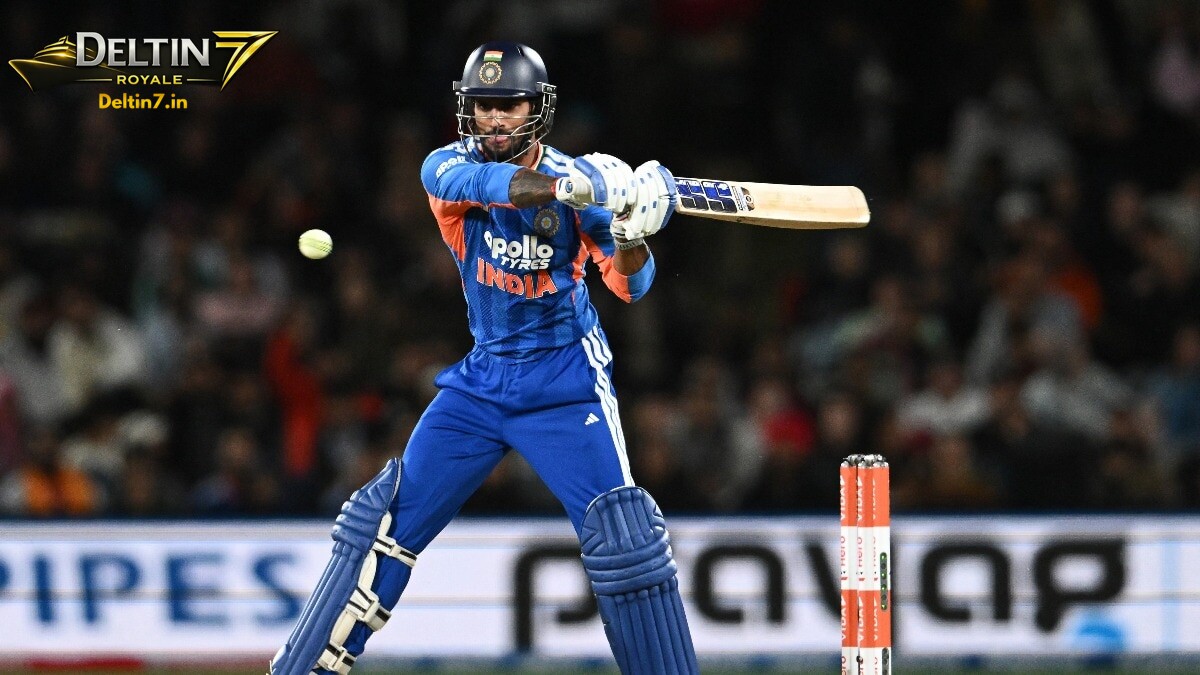
Tilak Varma Embraces a Fresh Challenge in India’s T20I Line-up
India’s T20I team continues to evolve, and Tilak Varma is one of the young batters stepping up to meet the demands of that change. Known for his composure and clean strokeplay, the left-hander has now found himself in a different batting position, with the team asking him to play at No. 5 more often than before.
For any batter, moving up or down the order can change the rhythm of the game. It affects when you enter, how many overs are left, the kind of bowlers you face, and the tempo you need to set. Tilak, however, appears unfazed by the adjustment. Instead of treating it as a disruption, he sees it as part of modern T20 cricket, where flexibility is just as valuable as flair.
Why the Batting Role Matters in T20 Cricket
In T20 internationals, the batting order is no longer fixed in a rigid way. Teams often reshuffle their line-up based on match situations, opposition plans, and the need to maintain aggressive intent throughout the innings. A No. 5 batter must be ready to rebuild after early wickets, accelerate in the middle overs, or finish strongly in the final phase.
That is where Tilak Varma’s skill set becomes important. He brings a calm mind, technical balance, and the ability to rotate strike before opening up with attacking strokes. For India, having a batter who can adapt smoothly to different roles adds depth and confidence to the middle order.
Tilak’s Approach: Stay Flexible, Stay Prepared
Tilak’s latest comments underline a simple but important idea: success in T20 cricket is not only about batting in a preferred slot. It is also about understanding the team’s requirements and responding with the right approach. At No. 5, the responsibility often changes from timing a chase to managing pressure, and that requires maturity beyond years.
He seems to have accepted that challenge with a positive mindset. Rather than focusing on the number beside his name, he is concentrating on the role itself — reading the situation, partnering with the batter at the crease, and keeping India’s innings moving in the right direction.
What This Means for India Ahead of Big Matches
India’s T20I blueprint has increasingly favoured players who can bat in multiple positions and still perform with clarity. Tilak Varma fits that template well. His adaptability gives the team more options, especially when facing strong bowling attacks or when the innings needs a stabilising presence in the middle overs.
Against quality opposition like New Zealand, such flexibility becomes even more valuable. A batter who can absorb pressure and then shift gears quickly can make a major difference in tightly contested games. With international cricket moving at a fast pace, India will likely continue to rely on players who can switch roles without losing effectiveness.
A Promising Sign for India’s Future in T20Is
Tilak Varma’s willingness to adapt is a good sign for Indian cricket. Young players often earn praise for talent, but long-term success also depends on how well they adjust to team demands. By taking on the No. 5 role with maturity, Tilak is showing that he is ready for the responsibility that comes with representing India in the shortest format.
His journey is also a reminder that modern cricket rewards versatility. Whether he bats at No. 3, No. 4, or No. 5, the key for Tilak will be to keep backing his strengths while staying ready for changing match situations. If he continues to do that, India’s T20I side will have another dependable option in its batting core.
For Indian cricket fans, that is encouraging news. In a format where every over matters, players who can adjust quickly and contribute under pressure are priceless. Tilak Varma seems ready for exactly that kind of challenge.