The Day That Shook Indian Cricket
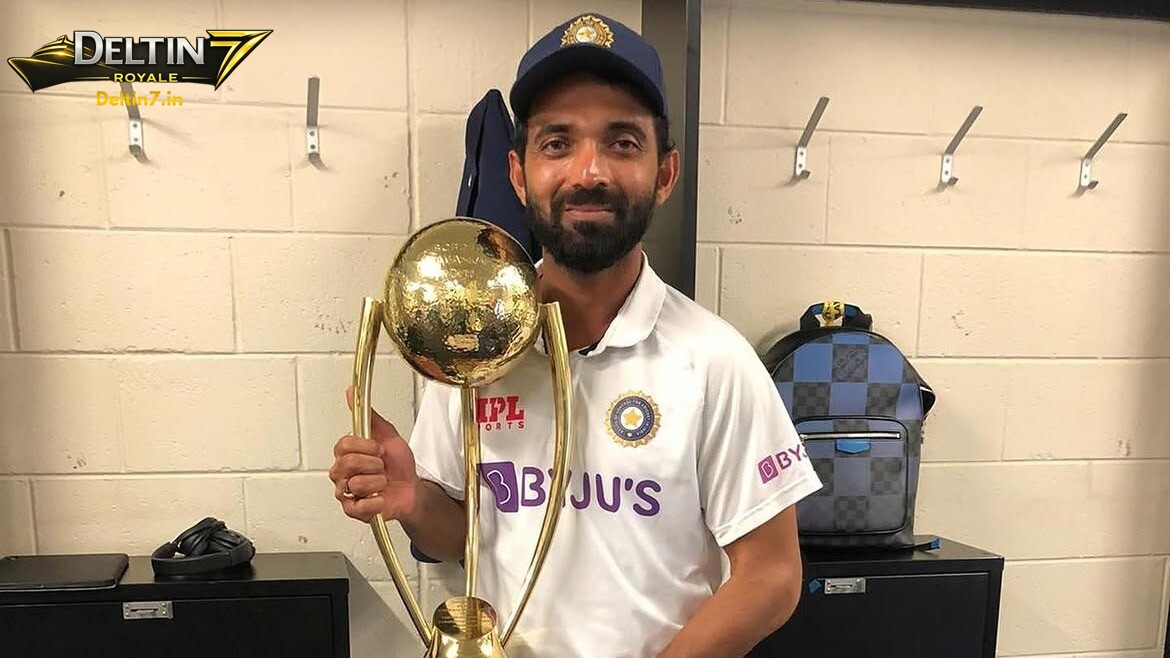
Few moments in modern Indian cricket have been as startling as the infamous 36 all out in Australia. It was a collapse that left fans stunned and raised serious questions about India’s ability to fight back in the Test series. In the middle of that pressure-filled environment, Ajinkya Rahane emerged as a calm and steady figure who helped restore belief inside the camp.
Rahane had long been seen as a composed cricketer, but this phase in Australia showed a different side of his leadership. Even as the team dealt with uncertainty, injury setbacks, and the weight of expectation, he brought balance to the dressing room. That quiet confidence became one of the biggest reasons India could reset and respond in a far stronger way.
Rahane’s Calm Approach Changed the Atmosphere
When teams go through a major setback, emotions often run high. In India’s case, the challenge was not just about one bad innings; it was about dealing with the pressure of a tour in Australia, where conditions are demanding and the margin for error is extremely small. Rahane’s approach, however, focused on clarity rather than panic.
He worked to keep the environment stable, encouraging players to trust their preparation and remain positive. His style was never loud or dramatic, but it was effective. Teammates often respond well to leaders who can absorb pressure, and Rahane did exactly that when the situation demanded maturity.
That mindset mattered because India needed more than a tactical adjustment. They needed emotional recovery. Rahane’s leadership helped shift attention away from the shock of the collapse and toward the next challenge, which is exactly what a touring side requires in tough overseas conditions.
Why the Captaincy Move Was Important
One of the most discussed aspects of that phase was the leadership change and how it influenced India’s response. Rahane stepped into a role that required not just cricketing decisions, but also the ability to lift the group after a bruising defeat. His handling of the moment showed strong game awareness and trust in the team’s strength.
In test cricket, captaincy is often about reading the mood of the match and the players around you. Rahane’s strength was his ability to make practical calls while keeping the bigger picture in mind. Instead of overcomplicating things, he backed the basics: discipline, patience, and belief in the bowlers and batters who could turn the series around.
That measured leadership helped India rediscover rhythm. The team began to look more settled, more focused, and better prepared to compete in the next contests.
India’s Response Showed Character
What followed after the early setback was a reminder of how resilient Indian cricket can be. The squad showed greater intent, improved execution, and stronger unity. Rahane’s influence may not always have shown up in headline numbers, but it was visible in how the team carried itself on the field.
His role in that turnaround is important because cricket is not only about runs and wickets. It is also about timing, trust, and the ability to keep a group moving forward after a crisis. Rahane provided that stability at a time when India needed it most.
For Indian cricket followers, the Australia tour became a lesson in recovery and leadership. The 36 all out will always remain part of the story, but so will the way India responded. Rahane’s calm presence helped transform a low point into a phase of renewed fight and determination.
A Leadership Moment That Still Resonates
Even years later, the episode continues to stand out because it showed how a composed leader can influence a team far beyond the scorecard. Ajinkya Rahane’s contribution after the collapse in Australia remains a strong example of leadership under pressure. His ability to steady the side, maintain confidence, and guide India through a difficult period is why that chapter is remembered so clearly by cricket fans.
In a sport where momentum changes quickly, Rahane’s role proved that calm decision-making can be just as valuable as aggressive flair. For India, it was a turning point. For Rahane, it was one of the defining leadership moments of his career.