
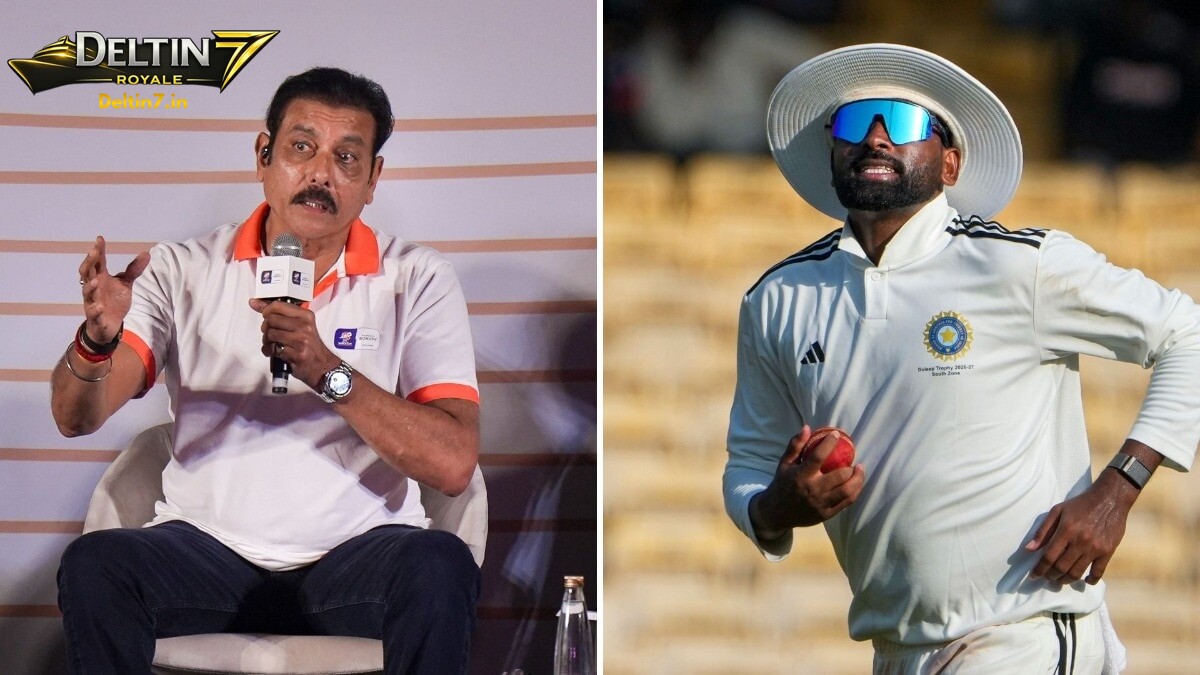
India’s Test team selection has once again sparked debate, with former head coach Ravi Shastri openly questioning the decision to leave out Mohammed Siraj from the Wellington Test XI. The remark has added fresh fuel to the discussion around how India balance pace, experience and form in overseas conditions.
Why the Siraj call stood out
Siraj has built a strong reputation as one of India’s most reliable fast bowlers, especially in Test cricket where his energy, seam movement and ability to create pressure have made him a key part of the attack. That is why his absence in a match of this importance did not go unnoticed.
Shastri’s reaction reflected what many Indian cricket followers often feel when a proven performer is left out of a big Test assignment. In overseas conditions, where pace bowlers can play a decisive role, selection choices are often judged even more closely.
Selection debates are part of modern Test cricket
Team combinations in Test cricket are never simple. Selectors and team management must weigh pitch conditions, batting depth, workload management and bowling variety before finalising the XI. Sometimes that means leaving out a player in form, even when fans and experts expect him to feature.
However, when a bowler with Siraj’s record is not included, the debate naturally becomes louder. His length, control and aggressive approach have often helped India strike early, especially in challenging overseas environments. From an Indian cricket perspective, the question is not just about one match, but about the larger strategy behind such decisions.
What Shastri’s criticism means for India
Ravi Shastri has long been known for speaking his mind on Test cricket matters. His comments carry weight because of his experience as both a former India coach and a player who understood the demands of international cricket. When he questions a selection call, it usually triggers deeper discussion among fans and analysts alike.
In this case, the central issue is whether India missed an opportunity to field a more balanced pace unit. Siraj’s presence can change the rhythm of an attack, especially when the ball is swinging or when pressure needs to be sustained over long spells. Leaving him out invites scrutiny, particularly if the pitch is expected to offer assistance to seamers.
What this means for future Test selections
India’s red-ball setup has been going through a phase of careful rotation and tactical planning. That approach may help manage players over a long season, but it also means some big calls will continue to divide opinion. For selectors, the challenge is to maintain a winning combination while ensuring the best available resources are used effectively.
For Siraj, the discussion is unlikely to hurt his standing in the long term. He remains one of India’s most trusted fast-bowling options and is expected to stay central to the team’s Test plans. But Shastri’s comments have ensured that the Wellington selection will be remembered as one of those calls that invited serious second-guessing.
Indian cricket fans will keep watching closely
For Indian sports readers, this is another reminder of how selection decisions can shape the story around a Test match even before the first ball is bowled. Fans are deeply invested in who makes the playing XI, and when a high-profile name is omitted, the conversation quickly shifts from tactics to trust.
As India continue to fine-tune their Test approach, the debate around Mohammed Siraj’s omission shows that every selection choice is under the microscope. And with voices like Ravi Shastri’s weighing in, that scrutiny is only likely to grow stronger.