
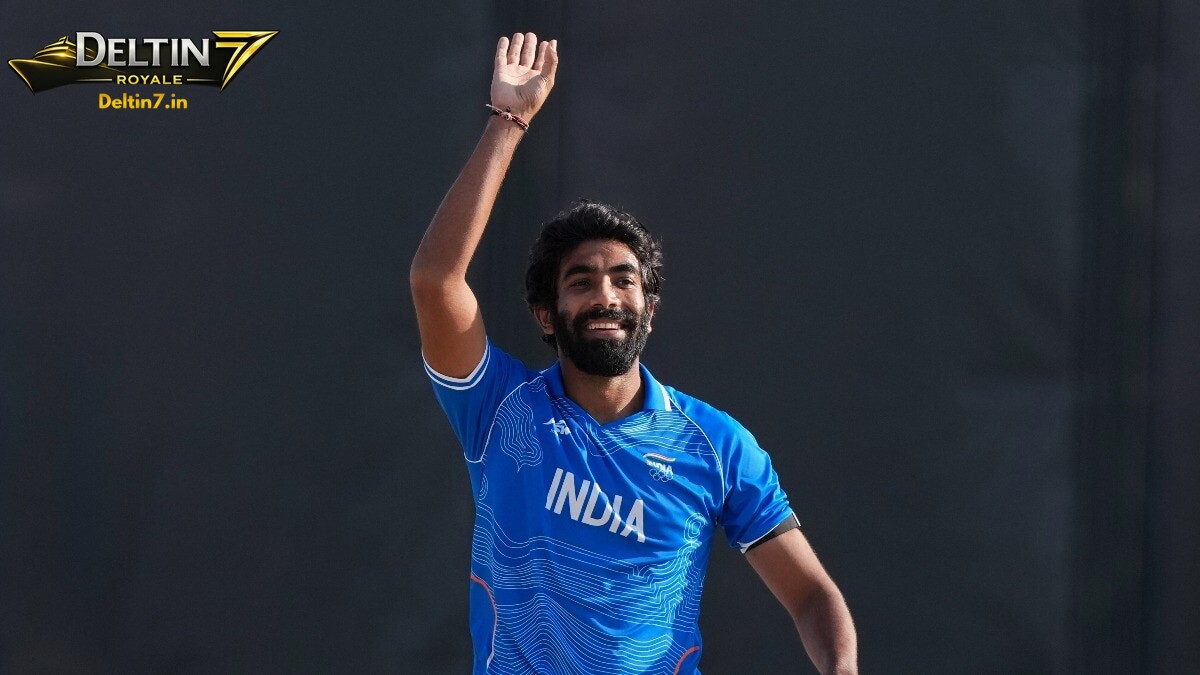
In recent years, Jasprit Bumrah has carried the burden of India’s fast-bowling department with remarkable consistency. As the 2027 World Cup approaches, cricket enthusiasts and experts are raising questions: does Team India have sufficient supporting pace options, or is the attack too reliant on one man?
India’s Reliance on Bumrah
Jasprit Bumrah’s prowess in all formats has been a key factor in India’s success. His unique action, pinpoint yorkers, and ability to bowl under pressure make him a match-winner. However, when one bowler consistently shoulders the bulk of overs and breakthroughs, concerns surface about workload management and longevity. In the next major ICC event, India cannot afford to risk their spearhead being overtaxed.
Performance Trends and Key Statistics
Across Test, ODI and T20 cricket, Bumrah regularly records impressive strike rates and low economy figures. Yet, recent series have highlighted scenarios where secondary pacers struggled to make breakthroughs when Bumrah was rested or ineffective. This points to a potential weakness: if the frontline bowler has an off day, opposition lineups can capitalise.
Rising Pacers Waiting in the Wings
India’s domestic circuit and A-team tours have produced several promising fast bowlers. Players like Mukesh Kumar, Avesh Khan, and Akash Deep have shown glimpses of pace and movement. Their inclusion in the national setup in limited opportunities has yielded mixed results, underlining the need for experience and consistent match exposure at the highest level.
Lessons from Past Tournaments
History offers cautionary tales. In the 2015 and 2019 World Cups, India’s softer bowling options were exposed when senior pacers missed matches due to injury or rest. Teams with a deeper bench, such as Australia and England, managed seamless rotations without a significant dip in performance. For India, the lesson is clear: an insurance policy of capable quicks is indispensable.
Building a Balanced Pace Arsenal
To reduce the burden on Bumrah, selectors and coaches must prioritise nurturing backup pacers through a robust schedule of international fixtures. Rotational policies, domestic mentorship programmes, and specialised training camps can bridge the gap between potential and performance. Emphasis on varied skill sets—swing, seam, and raw pace—will create a multifaceted bowling unit capable of thriving in diverse conditions.
Domestic Pathways and IPL Impact
The Indian Premier League (IPL) remains a crucial platform for honing fast-bowling talent. Young prospects who succeed under the lights gain confidence and match temperament. Strategic IPL franchises have already started investing in bowling academies and analytics to fast-track development. This synergy between domestic tournaments and the national team could yield the depth India so urgently needs.
Looking Ahead to the 2027 World Cup
With nearly four years until the ICC event in South Africa, India has a window to sharpen its pace arsenal. Balanced workloads for senior bowlers, coupled with hands-on exposure for newcomers, will be key. If managed effectively, India’s pace attack can evolve from a one-man show into a collective force, ensuring match excitement and rewarding results on the global stage.
Ultimately, Jasprit Bumrah will remain the linchpin of India’s bowling attack, but cricketing wisdom demands that no team rely too heavily on a single performer. By fostering a culture of depth and rotation, India can build a pace battery that not only supports its superstar but also delivers consistent impact across tournaments.