
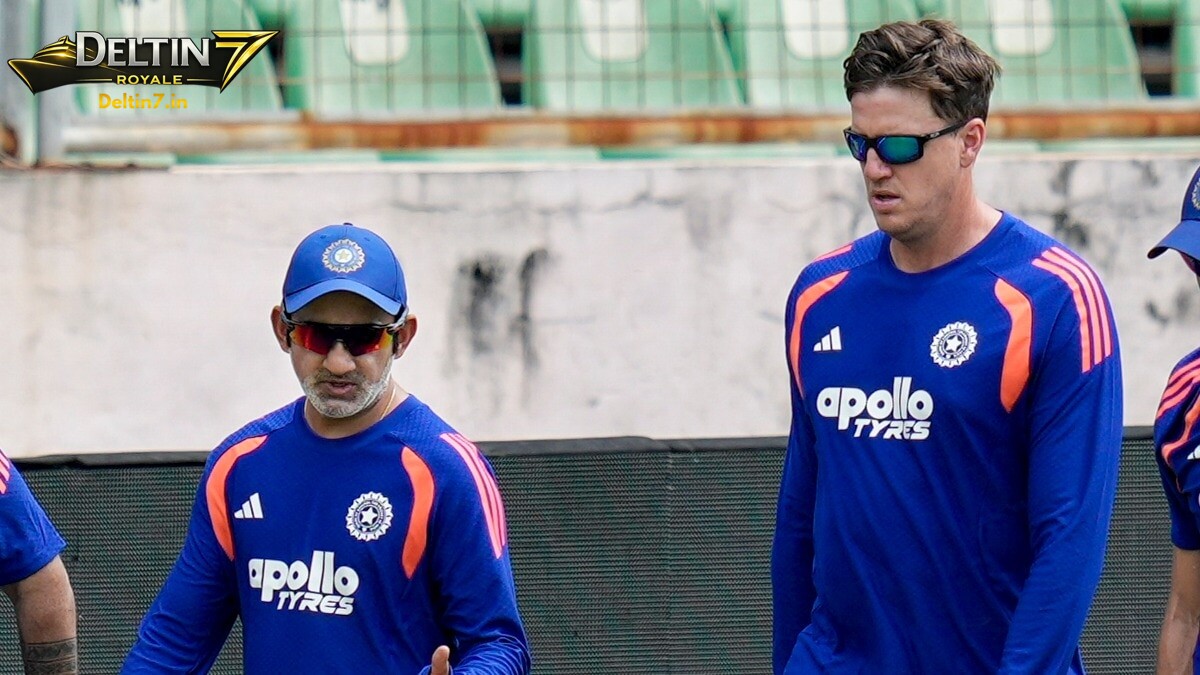
India Put Workload Management at the Centre of NZ Tour Planning
India’s approach to bowling on the New Zealand tour is being shaped by a clear focus on workload management, according to bowling coach Morne Morkel. With a demanding schedule and conditions that can test fast bowlers, the team management is taking a measured route to keep the attack fresh and effective across the series.
Instead of pushing the same bowlers through every game, India are expected to rotate their pace options with a long-term view in mind. The idea is simple: protect the bowlers’ bodies, maintain rhythm, and ensure the team has enough firepower for the key moments of the tour. For a side that relies heavily on its pace battery, that balance is extremely important.
Why New Zealand Needs a Smart Bowling Plan
New Zealand tours often demand more from fast bowlers than many other away assignments. The pitches can assist seam movement, the weather can be tricky, and the matches may come close together. For Indian bowlers, this means repeated spells, more recovery pressure, and the need to adjust quickly to different conditions.
Morkel’s comments suggest that India are not looking at individual matches in isolation. Instead, the team is treating the tour as a complete workload cycle, where each bowler’s responsibilities are spread carefully. That can help prevent fatigue and reduce the risk of overuse, especially for pacers who play across formats throughout the season.
Arshdeep Singh and the Pace Unit Could Benefit
One of the biggest talking points from this plan is its impact on India’s pace attack, including Arshdeep Singh. Young and skillful fast bowlers often need the right balance of game time and recovery to keep improving without being overburdened. A structured rotation system can help them stay sharp while also allowing the coaching staff to assess depth in the squad.
For India, this also opens the door to better role clarity. Some bowlers may be used in the powerplay, others in the middle overs, while a few could be held back for specific match situations. That kind of planning can make the attack more flexible and harder for opponents to read.
Team Management Focuses on Fitness and Match Readiness
Modern cricket places huge physical demands on fast bowlers. Recovering well between matches, staying match-ready, and maintaining consistency in pace and length are all part of the challenge. Morkel’s workload approach shows that India are paying close attention to these details rather than waiting for problems to appear.
The support staff are likely monitoring each bowler’s action, recovery time, and performance levels closely. This type of planning is especially useful on overseas tours, where travel, changing weather, and frequent matches can quickly affect a bowler’s freshness. Keeping the bowling group physically prepared can often be the difference between a strong tour and a tiring one.
What This Means for India’s Tour Strategy
India’s bulletproof plan for bowling workload management does more than protect players. It also strengthens team strategy. A well-managed pace attack gives the captain more options, improves consistency across the series, and helps younger bowlers settle into bigger responsibilities. That can be valuable not just for the New Zealand tour, but for future international assignments as well.
In the bigger picture, this signals a modern, long-view approach to Indian cricket. Rather than overusing bowlers in the hunt for short-term results, the team is working to build sustainability, depth, and reliability. If the plan delivers as intended, India could benefit from a fitter, sharper, and more balanced bowling unit through the entire tour.
For Indian cricket followers, the message is encouraging: the team is not just preparing to compete in New Zealand, but to do so with a smart, carefully managed bowling blueprint.