
Introduction
Test cricket has always been revered for its traditional appeal, but the challenge of bad light often disrupts the flow of play and frustrates fans. Former South African all-rounder Shaun Pollock recently suggested a simple yet effective solution: switching to a pink ball during late sessions to maintain visibility and continuity. This proposal has sparked debate among players, officials and cricket lovers, especially in India where Test cricket remains a cornerstone of sports action.
The Persistent Issue of Bad Light
Bad light is an age-old concern in Test matches, particularly during the twilight hours when natural daylight fades. Umpires frequently stop play to ensure batter safety, leading to lost overs and affecting match rhythm. In India, where peak viewing hours coincide with late afternoon sessions, interruptions due to fading light can impact both on-ground attendance and television audiences.
Traditionally, white sight-screens and the red ball have struggled to stand out as daylight dims. This not only disrupts player concentration but also diminishes the match excitement for viewers tuning in from homes and online entertainment platforms.
Why the Pink Ball Could Be the Answer
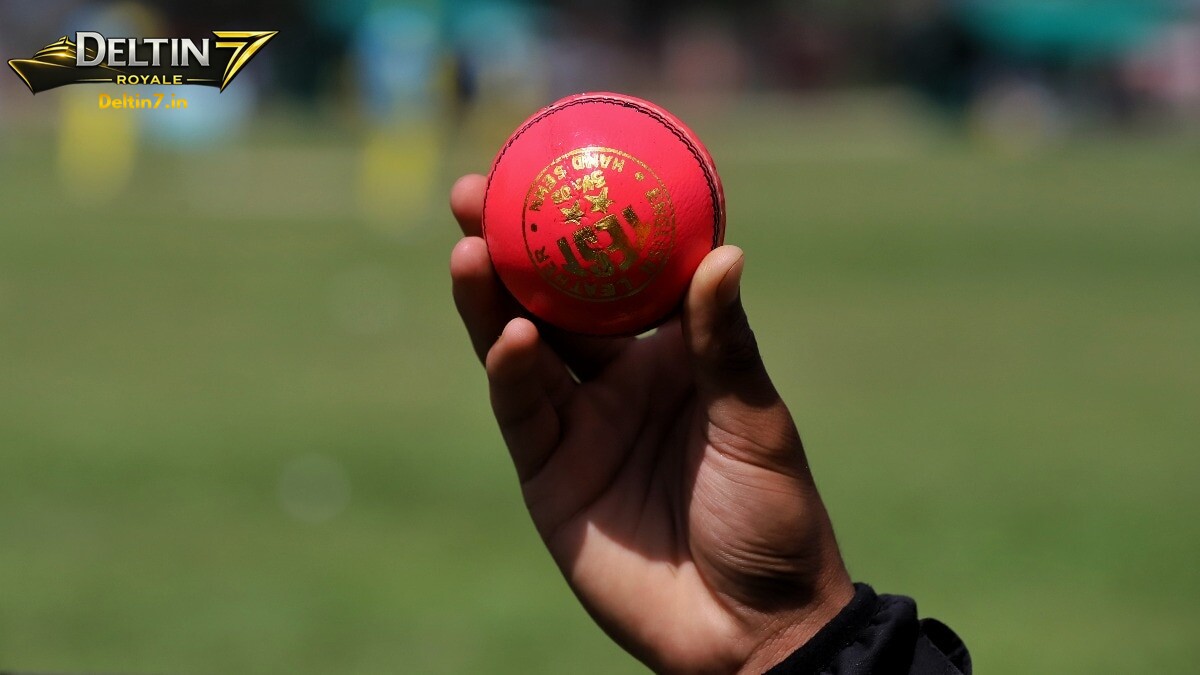
The pink ball was introduced to enhance visibility under floodlights in day-night matches. Its fluorescent hue makes it easier to spot against changing skies. Pollock argues that even in day games, deploying a pink ball after a set time—say two hours before sunset—could allow play to continue uninterrupted.
Key advantages of the pink ball approach include:
- Improved visibility: The distinct colour stands out against both daylight and artificial lighting.
- Extended playing time: Fewer stoppages mean more overs bowled and a fairer contest for batters and bowlers.
- Enhanced broadcast quality: Better ball visibility improves the viewing experience on TV and digital platforms.
- Increased match excitement: Fans get to enjoy more live moments without dreaded bad-light delays.
Day-Night Tests: A Precedent in India
India has already hosted day-night Tests using the pink ball, most notably at Eden Gardens in Kolkata. The 2019 India-Bangladesh Test highlighted the ball’s durability and visibility under lights. Players and broadcasters praised the innovation, which delivered thrilling twilight sessions and excellent television ratings.
Building on this experience, pollock’s suggestion aims to extend the pink ball’s use to traditional daytime Tests, creating a seamless transition into evening play. For Indian cricket administrators, this could be an opportunity to refresh the format and cater to busy audiences who follow matches via online entertainment channels.
Potential Impact on Indian Cricket
If adopted, the pink ball solution could rejuvenate Test cricket in India by:
- Increasing overs bowled per day, leading to more decisive results.
- Offering broadcasters reliable schedules with fewer weather or lighting interruptions.
- Attracting new fans who might otherwise skip long interruptions.
- Encouraging local venues to install lighting upgrades for consistent coverage.
However, administrators must address concerns over ball behaviour, durability and practice time with pink balls. Teams would need tailored training sessions to adapt to the ball’s seam movement and wear patterns.
Conclusion
Shaun Pollock’s pink ball proposal presents a practical fix for the persistent problem of bad light in Test cricket. By leveraging the proven benefits of the pink ball, Indian cricket stands to benefit from uninterrupted play, better fan engagement and enhanced match excitement. As discussions continue among cricket boards and broadcasters, one thing is clear: innovation in Test cricket could brighten not just the sky, but the future of the game itself.