
Commanding Campaign in Multinational Showpiece
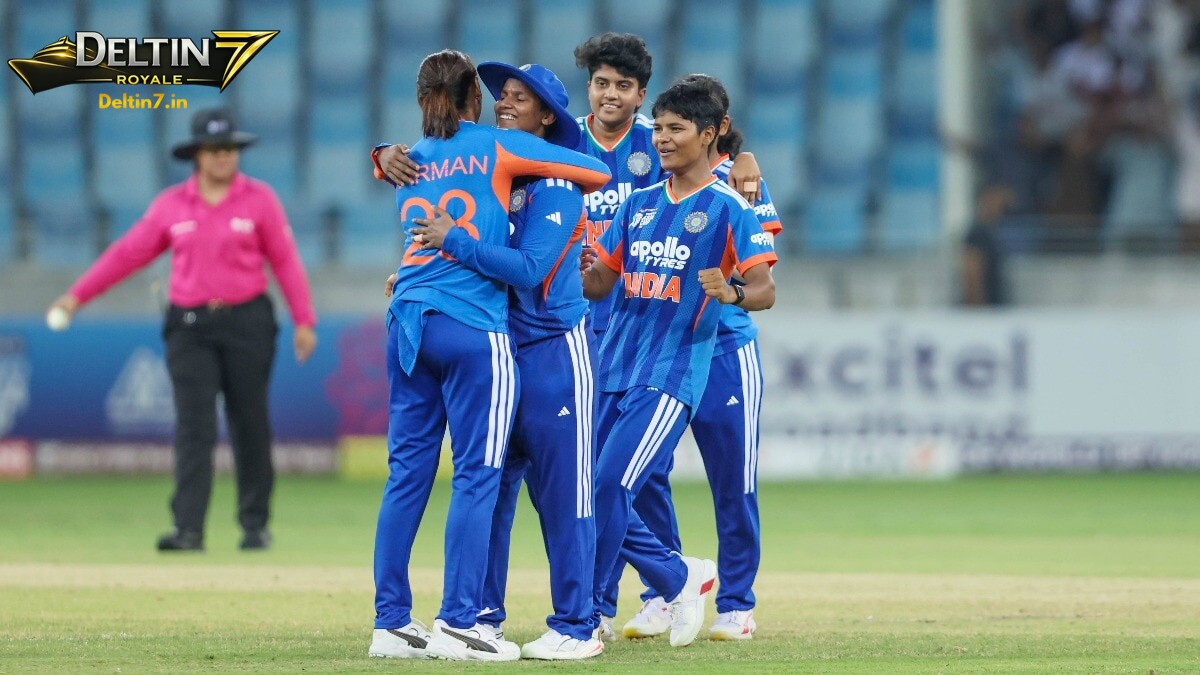
India’s women put on a dazzling display of cricketing excellence to steamroll through the Women’s Asia Cup. From group-stage victories to a one-sided final, Harmanpreet Kaur’s side combined fluent batting and smart spin bowling to seal the trophy. While the overall performance provided plenty of match excitement for fans and online entertainment platforms, the ease of victory has also sparked debate about whether underlying challenges have truly been addressed.
Batting Brilliance… with Caveats
The opening pair set the stage in every outing. The top order repeatedly built solid platforms, often posting scores well above 150 in the T20 format. Yet, analysts led by former batter Amol Muzumdar caution that a heavy reliance on the first three batters could prove risky. When middle-order batters came under pressure, they struggled to maintain momentum. For long-term rewards in global events, India must foster greater depth and adaptability beyond their power hitters.
Spin Supremacy vs Pace Predicaments
Home conditions played to India’s spin strengths, and the quartet of slow bowlers exploited every turn. Their ability to choke run rates and take crucial wickets turned matches decisively. However, the pace attack, devoid of express speed and penetration, often served as mere support. As the Women’s T20 World Cup looms, the selectors will need to shore up the fast-bowling unit to complement the spinners and handle diverse conditions on foreign soil.
Leadership and Locker-Room Dynamics
Under Harmanpreet Kaur’s captaincy, the team exuded confidence, making astute on-field adjustments. Yet, veteran voices suggest that nurturing young talent and rotating the core playing XI will be essential to avoid burnout. Balanced rotation policies can also spur competition for places, ensuring that emerging stars remain motivated. The leadership group must strike a fine balance between giving game time to prospects and relying on seasoned campaigners for crucial moments.
Looking Ahead: Roadmap to Major Tournaments
With the Asia Cup win adding to India’s silverware haul, the next challenge lies in translating regional success to global glory. Domestic leagues have provided young players with online entertainment opportunities and rewards, but bridging the gap between franchise action and international cricket demands focused development programs. Enhanced bench strength, specialized pace coaching and mental conditioning workshops could be the keys to overcoming residual weaknesses.
In summary, India’s women celebrated an easy triumph in the Asia Cup, delivering joyous moments for supporters and generating healthy sports action across streaming platforms. However, the questions about middle-order solidity and bowling options remain unresolved. As India’s coaching staff and management pore over the tournament’s lessons, the roadmap to consistent world-class performances must prioritize holistic squad building—only then can the team evolve from regional champions to global powerhouses.