
Introduction
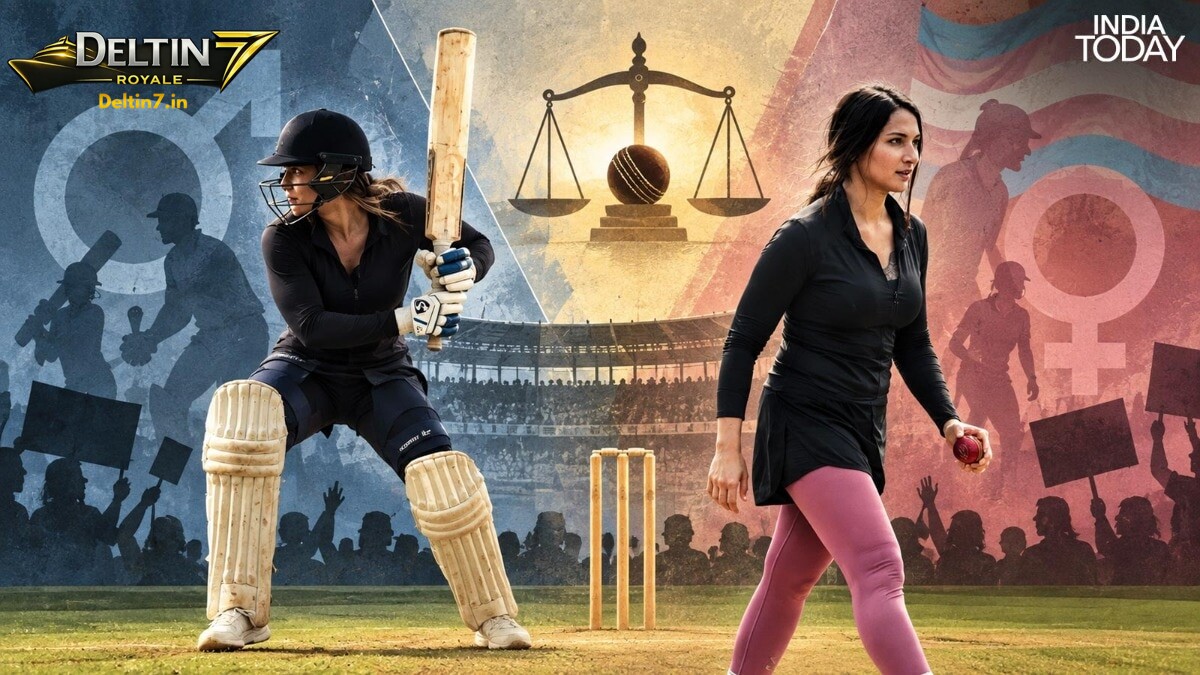
Cricket, often hailed as a gentleman’s game, is at the forefront of a progressive shift that embraces gender diversity. As transgender women seek to represent their adopted gender on the field, cricket boards, players, and fans are grappling with how to balance inclusion and fair competition. In the Indian context, this conversation holds special significance, given the sport’s enormous reach and social impact.
Rise of Inclusion in Global Cricket
International cricket authorities have been revisiting eligibility protocols to accommodate transgender athletes. The move reflects a broader effort across sports to extend opportunities to all genders. Cricket Australia recently updated its guidelines, highlighting health metrics such as hormone levels to ensure a level playing field. Meanwhile, the International Cricket Council (ICC) continues to consult medical panels, legal experts, and community representatives to refine its approach.
ICC’s Eligibility Framework
At the heart of the debate is the ICC’s eligibility framework, which sets out conditions for transgender women to compete in women’s cricket. Under current rules, candidates must produce evidence of sustained testosterone suppression over a defined period. This measure is designed to address concerns about physiological advantages while promoting fair play. The ICC’s policy, however, is dynamic and may evolve as scientific understanding grows.
The Anaya Bangar Example
In September, India Today spotlighted Anaya Bangar’s journey as a transgender cricketer working to qualify for elite competitions. Despite facing social stigma, Anaya’s perseverance underscores the importance of clear pathways for transgender players. She has complied with medical criteria, passed fitness trials, and trained alongside state-level women’s squads in Australia. Her story amplifies the broader conversation on how governing bodies can craft safeguards without eroding the spirit of inclusive sports action.
Perspectives from India’s Cricketing Circles
Within India’s cricket ecosystem, opinions are varied. Some players and coaches welcome inclusivity as a step toward greater diversity, noting that the game thrives on breaking boundaries. Others express concern about maintaining competitive equity in domestic tournaments and grassroots events. The BCCI (Board of Control for Cricket in India) has yet to issue formal guidelines, but local associations in several states are monitoring global developments closely.
Charting a Fair Path Forward
For India, crafting a nuanced approach means collaborating with medical experts, policy makers, and community advocates. A transparent system can set clear eligibility timelines, testing protocols, and appeal mechanisms. This framework should prioritise the welfare of transgender athletes, uphold competitive fairness, and align with global best practices. Public awareness drives and sensitisation workshops can further foster respect and understanding among players, officials, and fans.
Conclusion
The inclusion of transgender women in cricket is more than a policy issue; it’s a reflection of society’s evolving values. As India gears up for major tournaments at home and abroad, the cricketing fraternity has an opportunity to lead by example. With thoughtful regulations and open dialogue, India can strike the right balance between inclusion and fair competition—a homegrown solution that resonates with the nation’s love for the sport and commitment to social progress.