
Dominant Bowling Display Sets the Tone
In an emphatic show of bowling prowess, the Indian Women’s cricket team handed Thailand a resounding defeat in their latest Women’s Asia Cup T20I encounter. Led by the guile of the spin duo and the pace attack’s incisive lengths, India bundled out the opposition for a modest total well below par.
Left-arm spinner Sneh Rana and new-ball spearhead Renuka Singh starred, sharing key wickets that dismantled Thailand’s top and middle order. Their combined effort ensured that the visitors managed only a sub-80 score, paving the way for what looked set to be a routine chase for the hosts.
Top-Order Concerns Persist
Despite the low target, India’s batting unit once again faced early jitters. Shafali Verma, known for her explosive starts, fell cheaply in this match — a pattern that has plagued her recent T20I outings. The dismissal triggered a mini-collapse as the team found itself struggling at 3/3 within the Powerplay.
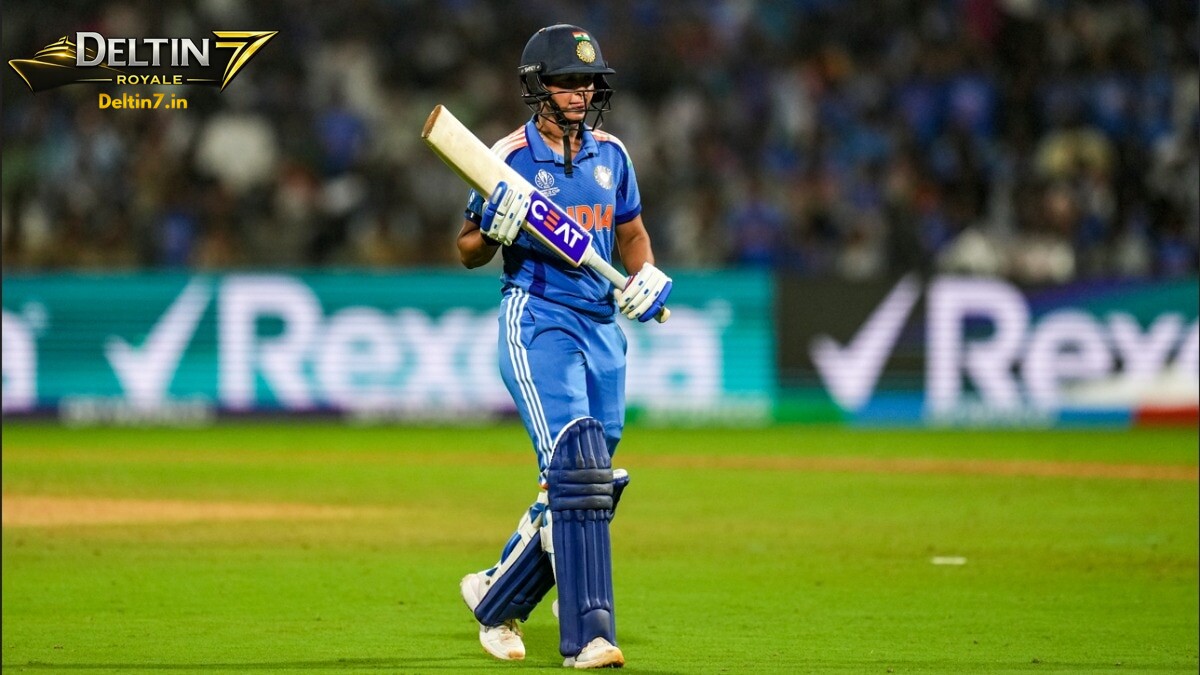
It was captain Harmanpreet Kaur who stepped up in the crunch. With a composed innings, she anchored the chase and restored stability to the top order. Harmanpreet’s measured strokeplay and rotating of the strike guided India past the halfway mark, but the lack of substantial partnerships highlighted deeper issues in the batting lineup.
Middle Order Needs More Firepower
The middle order’s inconsistency came under the spotlight yet again. Following the early setbacks, the onus fell on senior batters like Jemimah Rodrigues and Deepti Sharma to consolidate, but timely dismissals prevented any momentum build-up. Rodrigues managed a quick cameo, while Deepti chipped in with some useful strokes, yet neither could convert starts into a game-changing innings.
These recurring fragilities underscore the need for a rethink ahead of the key matches in the Asia Cup. Opposing teams will be quick to exploit any soft underbelly, especially in high-pressure situations. With the Super Four stage looming, India must address these batting vulnerabilities if they are to maintain their unbeaten run.
Path Ahead in the Women’s Asia Cup
While the comprehensive victory over Thailand keeps India on top of the standings, there is little room for complacency. The bowling unit’s exceptional performance deserves praise, but the top and middle order must find consistency to complement those efforts.
Coach and support staff have a pivotal role to play in fine-tuning the batting approach. Tactical adjustments, increased practice against spin variations, and building better partnerships will be key themes in the upcoming days.
As the Women’s Asia Cup progresses, India will be eyeing stronger performances against tougher opponents. The ideal combination of aggressive intent and responsible batting will be crucial to sustain their dominance. Fans will hope that the batting concerns exposed against Thailand serve as a wake-up call rather than an Achilles’ heel.
Next up, India faces a formidable rival in the Super Four stage. A balanced display across both departments will be vital to keep their title defence on track and to deliver the high-quality sports action that supporters have come to expect.