
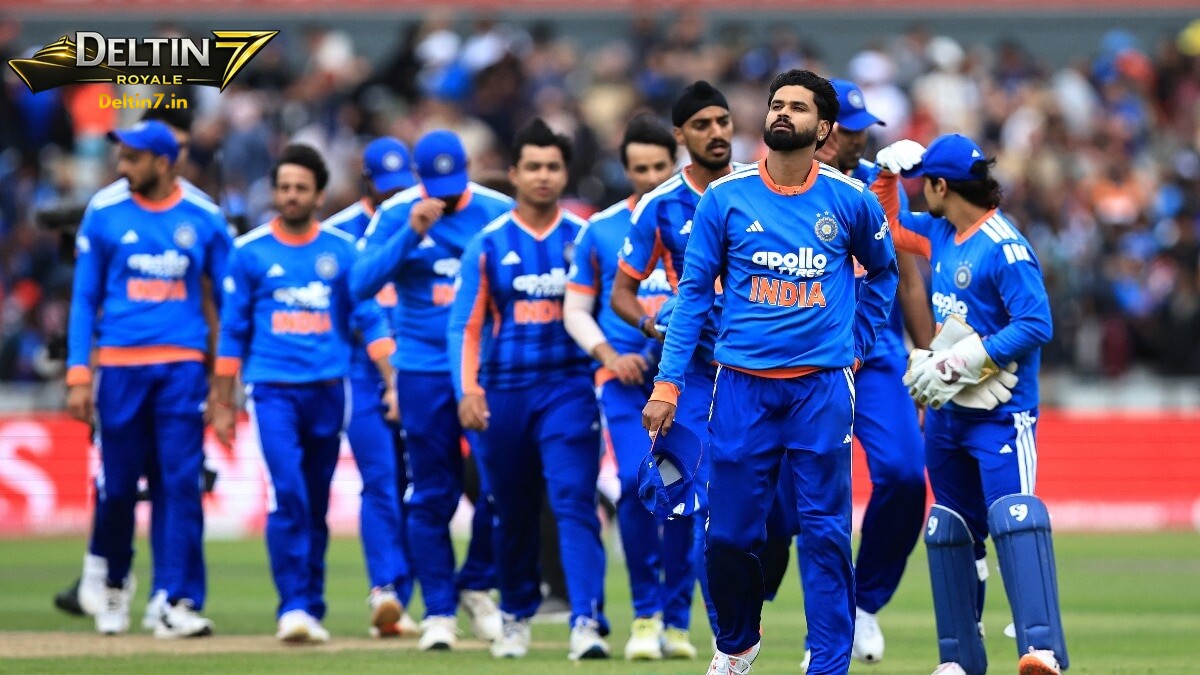
Background to the Accommodation Debate at Hangzhou Asian Games
As cricket makes its return to the Asian Games in Hangzhou, questions over player comfort and logistics have dominated headlines. Traditionally, multi-sport events provide an athlete village designed to house participants from all competing nations under one roof. However, ahead of the 2026 Games, a brewing controversy emerged when some cricket teams expressed concerns over the proposed living conditions at the designated village.
Japan Cricket CEO Addresses Teams’ Hotel Freedom
Amid rising unease among squads planning to travel to China, the CEO of Japan Cricket Association stepped forward with a reassuring announcement. In a recent statement, he confirmed that every cricket delegation has the freedom to arrange their own accommodation in Hangzhou. This clarification aims to give teams the flexibility to choose hotels or serviced apartments that best suit their schedules and comfort requirements.
Concerns Raised by Participating Nations
Several cricket bodies—including those representing India, Malaysia, and Thailand—had privately evaluated staying at the official Village complex. Reports suggested cramped rooms, limited dining options, and infrequent training ground access. In high-intensity events such as the Asian Games, maintaining peak fitness and mental freshness is paramount, and some teams feared these facilities might hamper their performance on the field.
How Hotel Bookings Add Value to Team Logistics
By securing separate hotel accommodation, national squads can tailor their own schedules, dining preferences, and recovery protocols. High-performance staff can coordinate physiotherapy sessions, nutrition plans, and media engagements more efficiently when they control their environment. The ability to select rooms close to training venues reduces travel time and unexpected delays, boosting overall match readiness.
Implications for Team India
Indian cricket enthusiasts are keenly watching how the Men in Blue and Women in Blue will handle their stay. With leading players like Shreyas Iyer and Smriti Mandhana likely participating, the Board of Control for Cricket in India (BCCI) may opt for premium hotel chains known for top-tier sports amenities. Such proactive planning could serve as a model for other nations looking for tailored sports action packages.
Organisers’ Response and Next Steps
Hangzhou Asian Games organisers have welcomed Japan’s announcement as a constructive suggestion. They reiterate that while the athlete village remains fully equipped with essentials—medical centres, dining halls, and recreational zones—teams are not mandated to occupy those quarters. The Games committee is now finalising a list of recommended hotels within designated zones, providing preferential rates and shuttle services to cricket venues.
Ensuring Seamless Match Excitement
With the accommodation question largely settled, focus shifts back to on-field excellence. Cricket returns to the Asian Games for the first time since 2014, promising thrilling encounters between powerhouses like India, Pakistan, Sri Lanka, and underdogs seeking a breakthrough moment. Fans can anticipate top-tier match excitement as teams benefit from tailored accommodation arrangements that prioritise rest and recovery.
Looking Ahead to Hangzhou 2026
The decision to grant teams autonomy over hotel bookings sets a positive precedent for future multi-sport events. It highlights the importance of athlete welfare and logistical flexibility in driving high-performance results. As the cricket community gears up for the Hangzhou Games, the narrative now shifts to how well-equipped squads will capitalise on their chosen lodgings to deliver memorable performances on Asia’s grandest sports stage.