
Introduction: From T20 Blitz to Test Cricket Resilience
Over the past decade, the Indian Premier League (IPL) has revolutionised the way cricket is played and consumed in India. Packed stadiums, thrilling sports action and lucrative online entertainment have made IPL a global phenomenon. Yet, a fresh crop of IPL-trained stars is now shining in the more traditional Test arena, prompting seasoned voices like former India opener Sanjay Manjrekar to call their success “a mystery”. How exactly has this IPL generation managed to adapt so seamlessly to the endurance demands of Test cricket?
The IPL Effect: Skill Development Under the Spotlight
The IPL’s high-octane environment provides players with exposure to world-class bowlers, varied conditions and intense match excitement. For batters and bowlers alike, the constant pressure of televised games offers a unique training ground. While T20 cricket emphasises power-hitting and creative bowling, it also demands precise technique and mental resilience—traits that have proven invaluable when moving to red-ball contests.
Despite critics who argue that T20 may erode the patience required for longer formats, many IPL alumni are proving otherwise. Their ability to read the game, rotate strike and plan long innings has earned plaudits across boardrooms and dressing rooms.
Sanjay Manjrekar’s Take on This Emerging Trend
In a recent conversation, Sanjay Manjrekar admitted he’s been taken aback by how IPL-bred players are thriving in Test matches. He pointed out that adjusting from the frenetic rhythm of T20 to the tactical battles of Tests is no small feat. “It’s surprising because the skill sets seem poles apart,” Manjrekar noted, “yet they arrive fully equipped and ready to absorb pressure in challenging conditions.” His words resonate with fans seeking deeper insights into the evolution of modern Indian cricket.
Young Guns Making Waves in Test Arenas
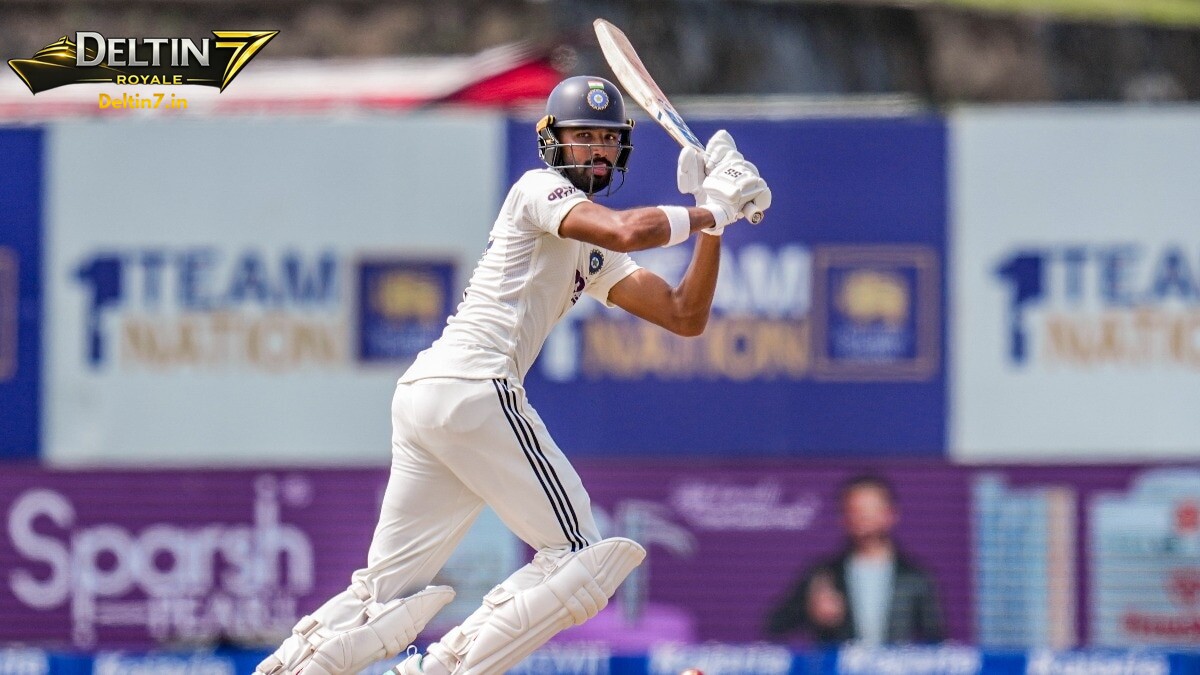
Several young Indians have left an indelible mark on recent Test series. Devdutt Padikkal, for instance, scored a fluent half-century on debut, showcasing composure against some of the world’s finest seamers. Similarly, Shubman Gill and Yashasvi Jaiswal have delivered masterful knocks, proving that patience and flair can co-exist. On the bowling front, Jasprit Bumrah and Mohammed Siraj—both IPL mainstays—have spearheaded India’s pace attack overseas.
These performances underline a broader shift in talent grooming. Players now enter international Tests with solid footwork, honed shot selection and strategic acumen, thanks in part to the IPL’s focus on variety and adaptability.
What’s Next for India’s Next-Gen Test Stars?
As India gears up for upcoming tours, the blend of IPL experience and Test temperament could chart new chapters in the nation’s cricketing story. Will these stars maintain their upward trajectory in swinging English conditions or bouncy Australian tracks? Manjrekar believes that continued exposure to diverse playing environments, coupled with domestic red-ball competitions, will be key.
For Indian fans, it means more reasons to celebrate and follow careers that bridge IPL glamour with Test grit. The ongoing evolution promises exhilarating match excitement, rewarding milestones and a deeper connection between the game’s shortest and longest forms.
In essence, while the transition from IPL’s rapid-fire style to the measured demands of Test cricket remains a puzzle even for experts, it also marks a thrilling era for Indian sports. The IPL generation is not only changing the way we watch cricket but also redefining our expectations of modern-day Test heroes.