
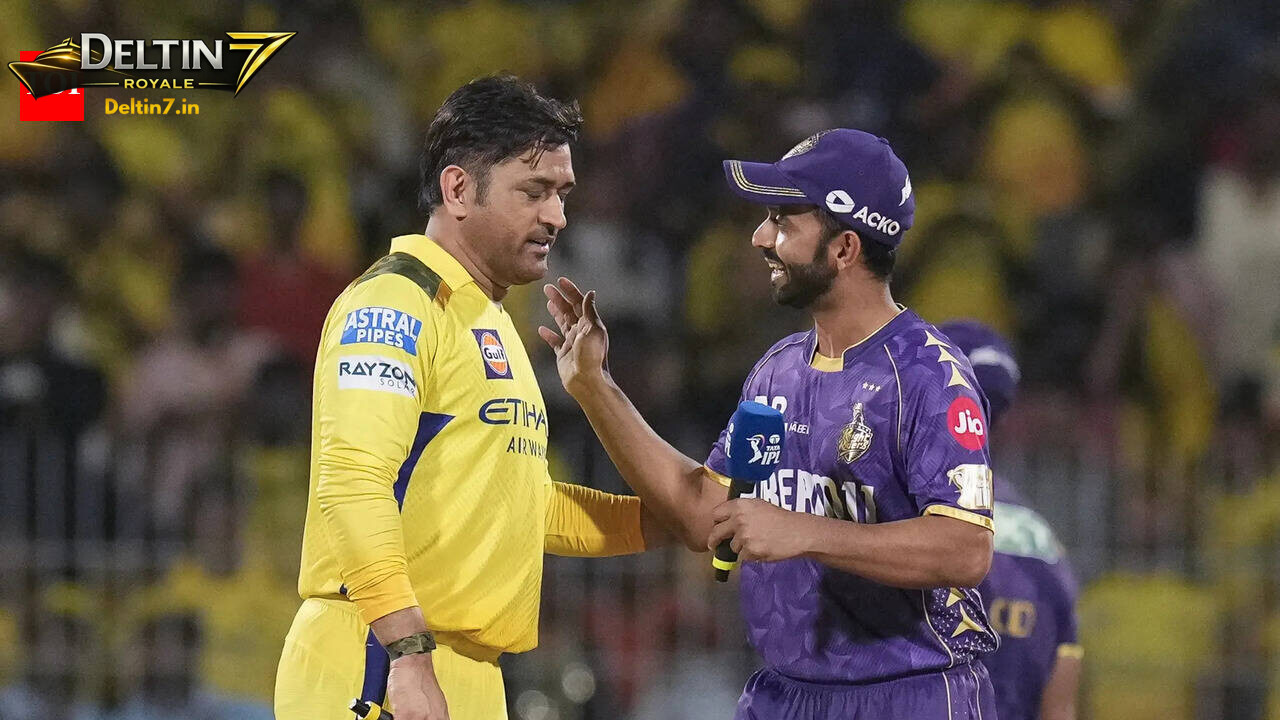
The Legacy of Dhoni’s Open Hotel Room
Mahendra Singh Dhoni, one of India’s most celebrated captains, was known not only for his calm leadership on the cricket field but also for the supportive environment he fostered off it. Central to this atmosphere was his widely reported open-door hotel room policy during tours. Young players would often gather in Dhoni’s suite to unwind, play board games or cards, and enjoy light-hearted banter—moments far removed from the intense match excitement and scrutiny of international cricket.
The One Rule That Was Always Enforced
Amid that relaxed setup, there was one rule that Dhoni never compromised on: no mobile phones or social media distractions during these get-togethers. Ajinkya Rahane, the seasoned middle-order batsman recently retired from all formats, shared this insight in a candid interview. He explained that Dhoni wanted these sessions to be genuine bonding experiences, free from external noise or negativity.
Why the Rule Mattered
This restriction may sound simple, but its impact was profound. By keeping devices aside, teammates connected on a personal level and built deeper understanding. Rahane pointed out that the squad felt more united, which reflected positively on the field. This collective spirit, he added, translated into sharper communication during high-pressure sports action and better performance in tight situations.
Team Bonding Beyond Cricket
Team culture plays a vital role in Indian cricket, where games can stretch over five days and mental fatigue often sets in. Dhoni recognized this early on and encouraged light-hearted activities—board games, deck of cards, or simply sharing stories. These moments of online entertainment-free interaction helped players recharge. Rahane recalled late-night sessions where strategy discussions blended seamlessly with laughter, reminding everyone that camaraderie was as important as any training drill.
Rahane’s Take on Leadership Lessons
As someone who has worked closely under Dhoni’s leadership, Rahane highlighted how these off-field experiences shaped his own captaincy approach. He emphasized that while talent is crucial, a supportive dressing room elevates performance. By striking a balance between freedom and discipline, Dhoni created an environment where emerging players felt valued and senior pros stayed motivated.
Dhoni’s Current Scenario and Future Outlook
On the playing front, Dhoni’s future remains uncertain. The former India wicketkeeper-batsman missed the last Indian Premier League season due to a persistent injury. Fans and experts continue to debate whether he will return to top-level cricket. Yet, regardless of what lies ahead, Dhoni’s cultural contributions—from his open-door policy to the non-negotiable phone rule—have already become a blueprint for team management across various sports in India.
Conclusion: The Power of Simple Rules
In an era of high-octane sports action and digital distractions, Dhoni’s approach reminds us that small, thoughtful rules can have a lasting impact on team dynamics. The ‘no-phones’ policy during hotel gatherings might seem modest, but it reinforced trust, unity, and focus—qualities every successful team aspires to embody. As Indian cricket looks forward to new challenges, these lessons from Dhoni and Rahane’s experiences will remain invaluable.