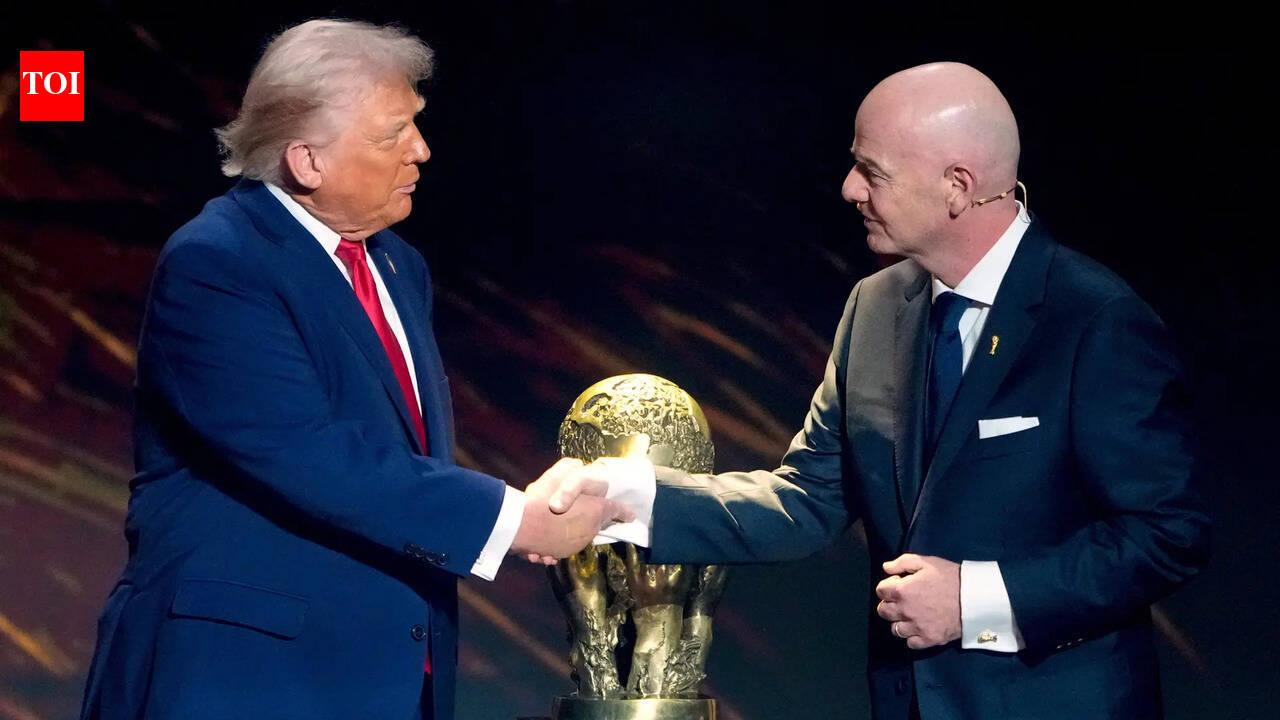
In a dramatic showdown between Europe’s top football body and the global federation, UEFA has vocally opposed FIFA’s ambitious plan to create a new commercial company to manage the World Cup and other marquee tournaments. UEFA’s strong reaction highlights growing concerns over governance, transparency and the future direction of football’s biggest events.
What Is FIFA Proposing?
FIFA president Gianni Infantino’s vision involves spinning off FIFA’s commercial rights into an independent entity backed by private investment. The scheme, reportedly worth US$20 billion, aims to centralize the organisation and marketing of world-class tournaments, from the FIFA World Cup to major youth and women’s events. FIFA argues that this move would maximise revenue, boost sports action offerings and provide enhanced rewards for global development programmes.
UEFA’s Staunch Objection
But UEFA – the Union of European Football Associations – has fired back, declaring the proposal an unacceptable overreach. In a statement, UEFA emphasised that “none of us are the owners of football,” underscoring that the game belongs to fans, players and member associations, not to commercial shareholders. The European body questioned the transparency of the process and the governance structures that would underpin the new company.
UEFA’s leadership has long maintained that decisions of such magnitude should involve all confederations, and not be driven solely by FIFA’s executive. Concerns include how revenues would be shared, the potential influence of private investors on tournament formats, and whether national federations would lose their say in critical sporting decisions.
Impact on Indian Football Fans and Stakeholders
For football followers in India, a market on the rise for sports action, the dispute between FIFA and UEFA could hold wider implications. Increased commercialisation may bring more match excitement, digital online entertainment and rewards programmes for fans. Yet, it also raises questions about ticket pricing, broadcast rights and grassroots development funding. Indian stakeholders – from clubs to state associations – will watch closely to see if this commercial shake-up benefits or sidelines emerging football markets.
Industry experts note that any substantial change in distribution of broadcasting revenue can directly affect how millions of fans in India experience the World Cup. If private investors gain greater control, there might be new digital streaming packages, fan engagement platforms and loyalty rewards tailored to the Indian market — but only if governance frameworks safeguard fair access and competitive balance.
The Road Ahead: Negotiations and Decisions
FIFA has defended its proposal, insisting that a specialised commercial arm would be more agile and better equipped to handle global partnerships. The governing body believes the move will fuel growth in underdeveloped regions, support women’s football and improve youth development programmes. Infantino’s camp argues that the current model is outdated and too reliant on traditional revenue streams.
Next steps involve extensive dialogue among FIFA member associations, confederations and major stakeholders. Any final agreement will need ratification by FIFA’s legislative body, where UEFA’s opposition could prove decisive. In the coming months, intense negotiations will shape whether this US$20 billion initiative becomes reality or remains a contested proposal.
As the debate unfolds, Indian football fans can expect updates on how this high-stakes dispute might influence future World Cup appearances, digital engagement opportunities and the flow of resources into domestic football development. With governance and transparency at the heart of the controversy, the ultimate outcome will have far-reaching effects on how the beautiful game is governed, financed and enjoyed around the world.