
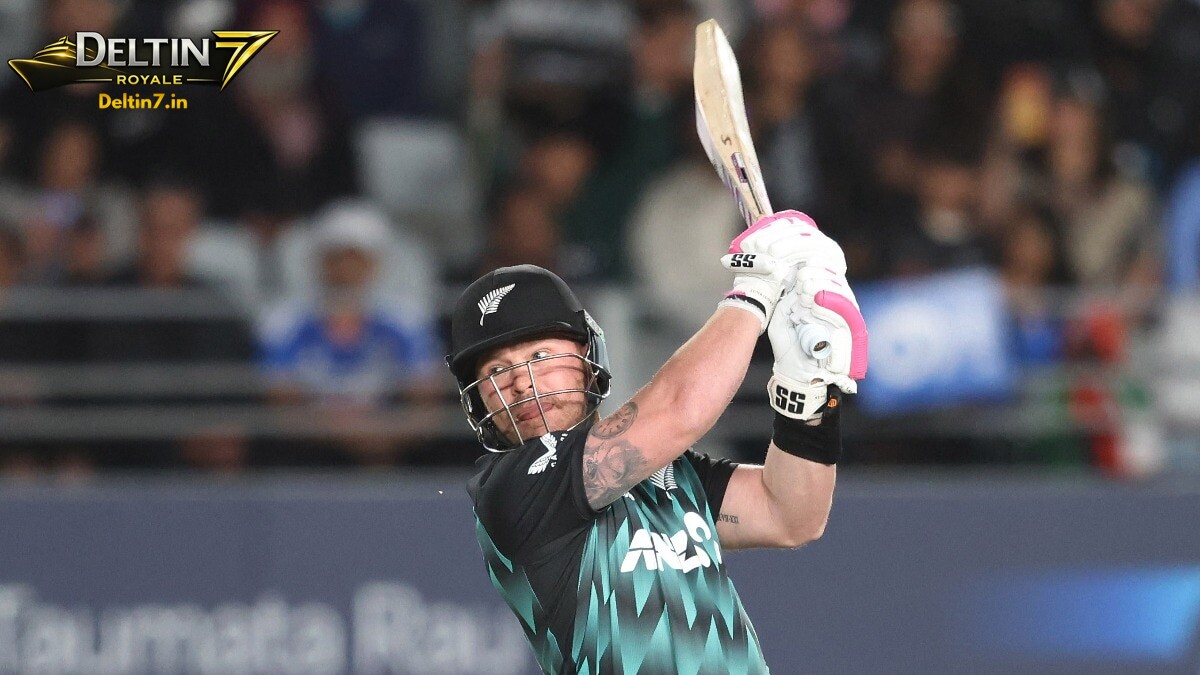
New Zealand’s Response After a Tough Start
New Zealand’s recent T20I battle against India turned into a strong example of how quickly momentum can shift in modern cricket. After falling behind early in the contest, the visitors managed to regroup and produce back-to-back strong performances, showing the kind of resilience that often defines successful touring sides. Tim Seifert, one of the key voices from the New Zealand camp, spoke about the team’s ability to reset after a difficult opening phase and build pressure through smarter cricket.
For Indian fans, the series served as a reminder that even a dominant start does not guarantee total control. New Zealand’s recovery added extra intrigue to the contest and kept the match excitement alive till the end. The turnaround was not built on one big innings alone, but on a collective effort where the side appeared calmer, sharper and more committed to the basics.
Seifert on the Mindset Shift
Seifert’s reflections highlighted something that matters in T20 cricket as much as skill: mindset. When a team is under the pump early, the temptation is to chase the game too hard. New Zealand instead seemed to trust their process, bring down the noise and focus on small but important phases of the match. That approach helped them claw their way back and keep India under pressure.
According to Seifert’s view, the fightback was as much about attitude as it was about tactics. In a fast-paced format like T20I cricket, being able to absorb a setback and return with clearer plans is often the difference between a one-sided contest and a series that stays alive. New Zealand’s late surge was a sign that the group remained united even after a shaky beginning.
Why the Comeback Mattered in the Series
The significance of New Zealand’s rebound goes beyond the scoreline. Against a strong India side, especially in home conditions, maintaining intensity is never simple. Yet New Zealand found a way to stay in the contest and even take control in the later stages. That makes the back-to-back results more meaningful for their preparation and confidence moving ahead.
For the Indian team, the series offered useful lessons too. The early advantage placed them in a strong position, but New Zealand’s improved execution showed how quickly opposition teams can alter the flow of a T20 match. Missed opportunities, pressure overs and a few crucial partnerships can change the look of an entire game.
What New Zealand Did Better in Back-to-Back Games
One of the clearest takeaways from New Zealand’s late rise was their improved balance. The side looked more organised in all departments, controlled key moments better and adapted to the conditions with greater confidence. In T20 cricket, that kind of adjustment can turn a difficult series into a competitive one.
Seifert’s comments underline the value of remaining patient. Rather than seeking dramatic solutions, New Zealand improved through steady application. That included better shot selection, tighter bowling plans and smarter use of match situations. It is this kind of measured response that often separates a struggling team from one that is capable of building momentum.
What It Means for Indian Cricket Fans
For Indian cricket followers, series like this are part of what makes international cricket so compelling. Matches between India and New Zealand rarely stay predictable for long, and the late fightback gave fans plenty to talk about. It also added another chapter to a rivalry that continues to deliver quality cricket and tense finishes.
As the T20I series moved forward, New Zealand’s confidence would have grown from those back-to-back results, while India would be expected to analyse where the game slipped away. That balance between pressure and response is what makes this format so popular in India, where every over can reshape the story.
Final Take
Tim Seifert’s comments paint a clear picture of New Zealand’s recovery: stay calm, trust the process and search for momentum in phases. From being 0-3 down to producing a more composed stretch of cricket, the visitors showed the value of a strong team mindset. For Indian audiences, it was another reminder that T20 cricket is never over until the final over is done.