
Introduction
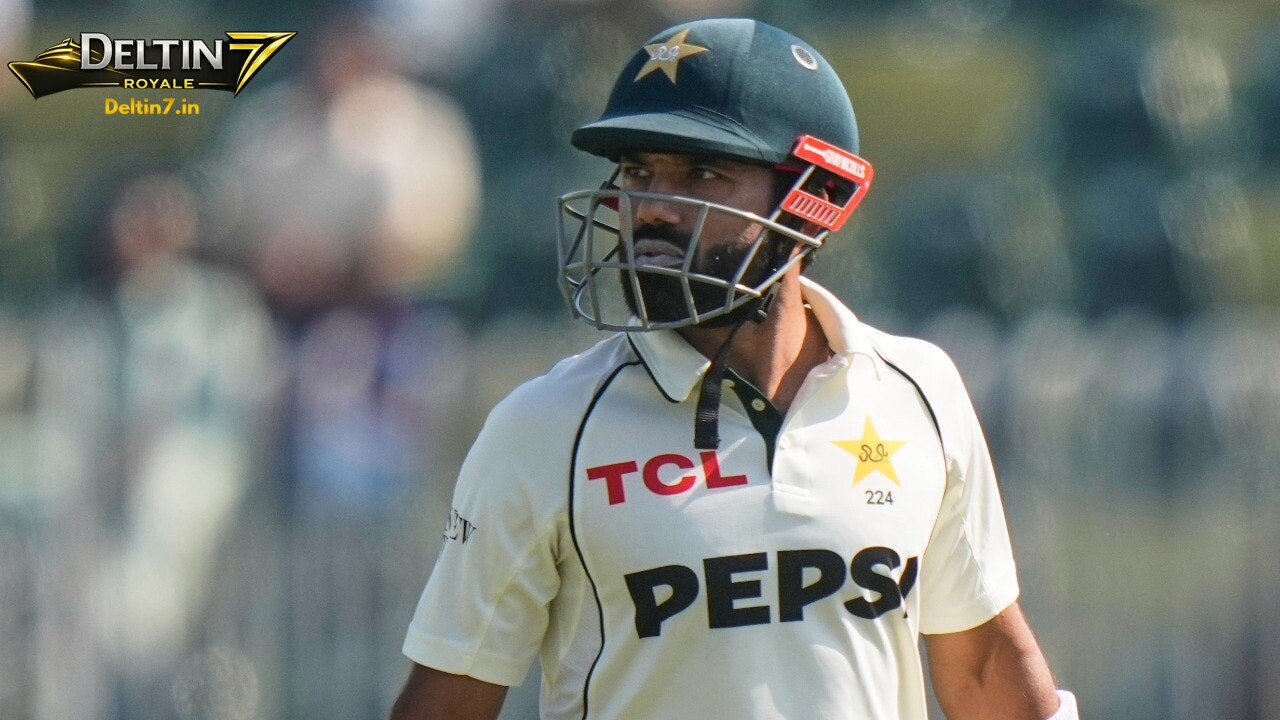
In a fresh development that has captured the attention of cricket enthusiasts across the subcontinent, Pakistan’s star wicket-keeper batter Mohammad Rizwan has formally requested the country’s Federal Investigation Agency (FIA) Cybercrime Wing to return his mobile phone. The device was taken as part of an ongoing probe into alleged data leaks related to recent cricket events. Rizwan’s appeal comes amid growing interest in transparency over the investigation and its potential implications for players and the broader cricket community.
Background of the Investigation
The FIA Cybercrime Unit initiated an inquiry following reports that sensitive information, including team strategies and player communications, may have been shared without authorisation. Officials seized several devices from multiple individuals to reconstruct the chain of events. Rizwan’s phone was among the items retained for forensic analysis. While the investigation aims to safeguard the integrity of sports action, the duration of document review and data extraction has raised concerns among players expecting minimal disruption to their professional routines.
Rizwan’s Appeal to the Cybercrime Unit
In his formal request, Rizwan emphasised the importance of timely resolution and the return of his device. He stated that the absence of his phone is affecting daily communications with team management and family, as well as preparation for upcoming fixtures. Through his legal representatives, the Pakistan wicket-keeper asked the FIA to provide clear information on the status of the probe and the expected timeline for returning personal devices not central to evidence.
“I fully support any effort to keep our sport clean and transparent,” Rizwan said in a brief statement. “However, the delay in returning my phone is impacting my ability to coordinate training schedules and stay connected with my support staff. I trust the relevant authorities will expedite the process.”
Potential Impact on Cricket and Online Entertainment
The ongoing investigation comes at a critical time, with several series lined up in the next few months. Players rely heavily on their mobile devices for strategy sessions, team calls, and accessing digital resources that enhance match excitement. The temporary loss of such tools could influence on-field performance and the overall quality of contests.
Moreover, cricket fans have been following the probe closely, wary of any disruption to their favourite sport. With digital platforms increasingly central to fan engagement—offering live scores, highlights and exclusive interviews—the integrity of data and communication channels is now under sharper focus than ever.
Next Steps in the FIA Probe
The Cybercrime Wing has so far maintained that each device is essential for establishing a clear picture of how and when certain information was leaked. Sources within the FIA indicate that the forensic analysis is ongoing and that results will determine whether formal charges are warranted. Until then, devices will remain in custody for detailed scrutiny.
Legal experts point out that Rizwan’s request could set a precedent for how sports professionals engage with law enforcement during similar inquiries. A swift resolution would reassure athletes that their rights are respected, while a prolonged process could prompt discussions on balancing investigative needs with personal freedoms.
Conclusion
As the cricketing world awaits further announcements, Mohammad Rizwan’s case underscores the delicate balance between upholding sporting integrity and safeguarding individual rights. With the return of his phone hanging in the balance, fans and fellow players alike will be watching closely to see how the FIA Cybercrime Unit navigates this high-profile probe. One thing is clear: the outcome could reshape protocols for managing digital evidence in sports investigations across the region.