
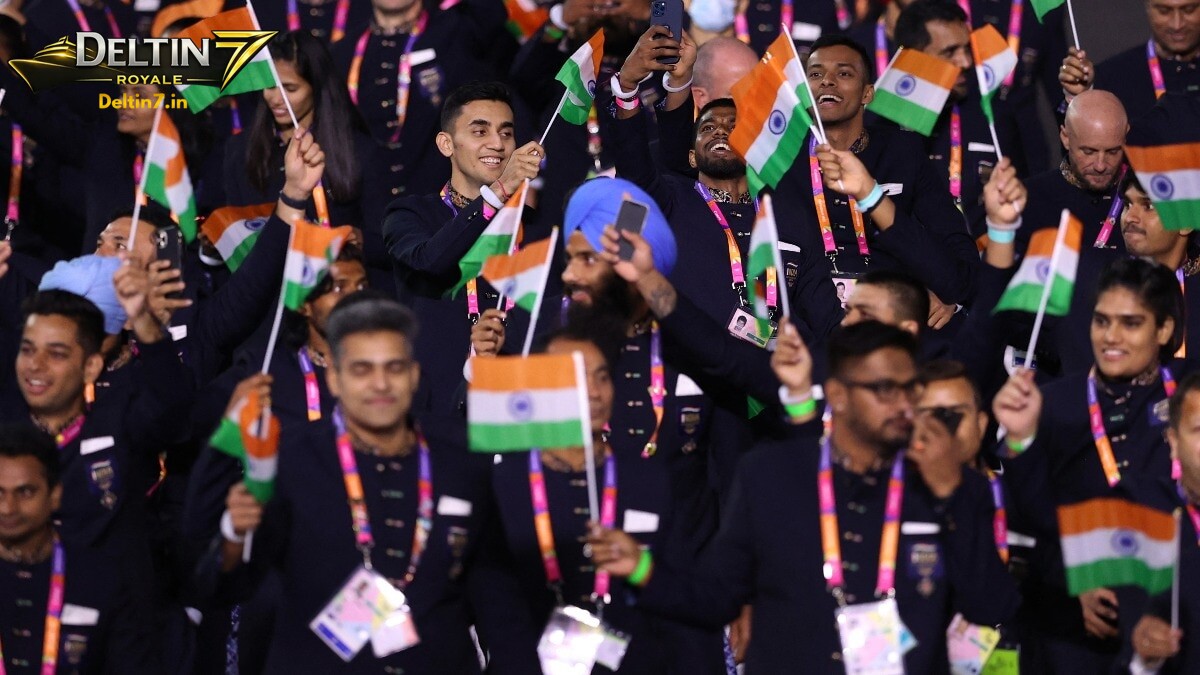
The Olympic Council of Asia (OCA) has officially issued guidelines on delegation caps for the upcoming Asian Games 2026 in Hangzhou. National Olympic Committees, including India, along with their respective sports bodies, must now finalize athlete and support-staff numbers within the stipulated ceiling. This directive aims to streamline logistics, contain costs and maintain the high standard of sports action fans expect at the continent’s premier multi-sport event.
Understanding the Contingent Limits
The OCA’s latest guidelines set a maximum limit on the number of athletes and officials each country can send to Hangzhou. While precise figures vary by sport, the overall delegation size has been rationalised to prevent resource overstretch and overcrowding in the Athletes’ Village. This move follows concerns over ballooning team sizes and operational challenges experienced during recent editions of the Games.
For India, the cap covers individual sports like athletics and shooting, as well as team disciplines such as hockey, kabaddi and cricket. With medal ambitions on the rise, national sports federations and the Indian Olympic Association (IOA) now face the task of optimising their entries to strike a balance between medal prospects and sustainable resource planning.
Implications for Indian Teams
India is traditionally one of the top performers at the Asian Games. However, with tighter caps, the selection process for Hangzhou 2026 will be more stringent than ever. Athletes will need to meet domestic qualifying standards and show consistent performance in international and national meets leading up to the Games.
This limit also impacts support staff. Coaches, physiotherapists and technical officials must be fielded judiciously, ensuring that athletes receive essential guidance without exceeding the delegation quota. In some sports, this may mean relying on multi-skilled personnel or utilising remote injury management protocols to stay within limits.
Role of the Indian Olympic Association
The IOA has a pivotal role in coordinating with national federations and the Ministry of Youth Affairs and Sports. Officials will compile provisional entries, monitor athlete fitness, and liaise with OCA on any exemptions or special considerations. Given the ambitious medal target, the IOA is set to launch a transparent selection mechanism that rewards merit and current form.
Additionally, the IOA will need to manage travel logistics, accommodation bookings and accreditation processes for the entire contingent. Early planning can help avoid last-minute fatigue and allow athletes to acclimatise to Hangzhou’s climate and competition venues.
Challenges for National Sports Federations
For India’s diverse sporting bodies, adapting to the cap presents logistical and strategic challenges. Federations must prioritise events where India has genuine medal prospects, allocate slots fairly among athletes, and ensure promising young talents are not overlooked.
Some disciplines may consider staging additional trials or leveraging performance analytics to finalise their squads. This could lead to more rigorous preparation camps and inter-state competitions to identify the best performers under pressure.
Funding allocations could also be adjusted, directing resources to high-prospect sports while maintaining development programmes for emerging disciplines. Transparent communication between federations and athletes will be key to maintaining morale and focus during the selection phase.
Looking Ahead to Hangzhou 2026
As Asia’s stars prepare for Hangzhou, India must capitalise on the OCA’s structured approach to delegation limits. A focused, lean contingent can enhance medal efficiency and reduce logistical headaches. By aligning selection criteria with performance goals, the IOA and national federations have an opportunity to showcase India’s sporting depth on the continental stage.
Ultimately, Hangzhou 2026 will test the coordination and strategy of India’s sports apparatus. With careful planning, robust selection policies and streamlined support, Indian athletes are well-placed to deliver memorable performances and uphold the nation’s proud Asian Games legacy.