
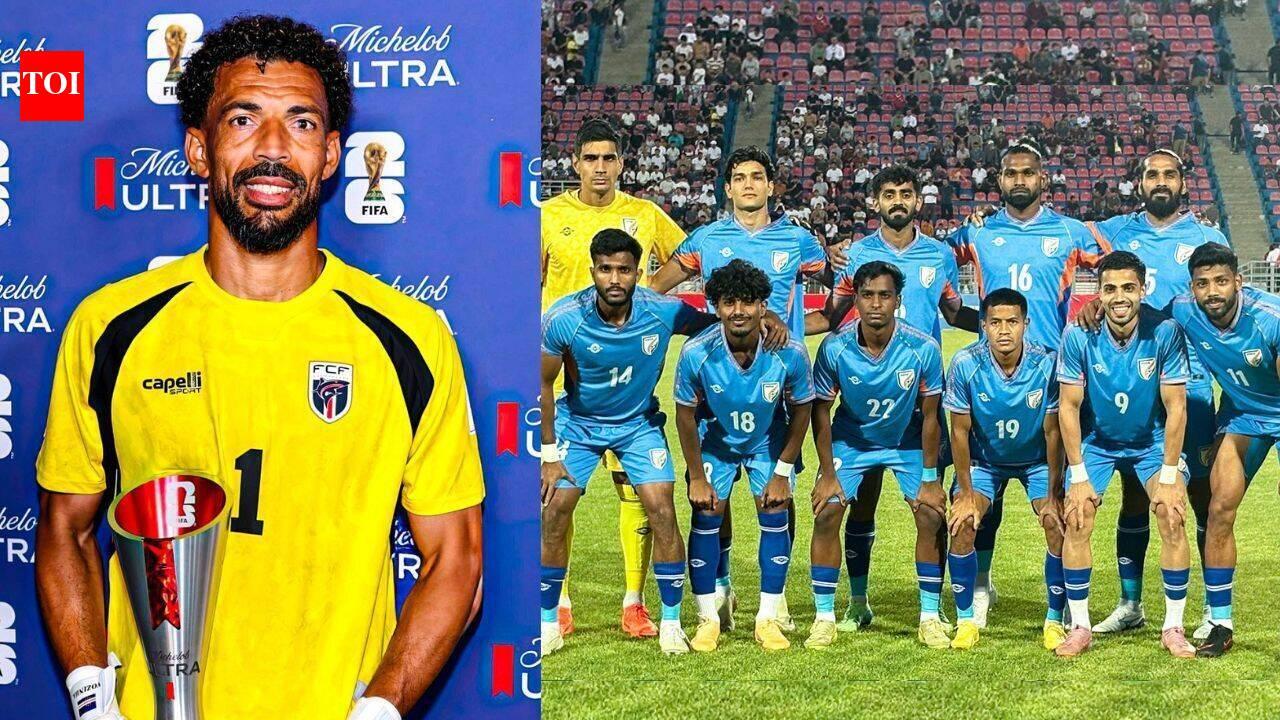
The Rise of 2026 World Cup Sensation Vozinha
When Cape Verde goalkeeper Vozinha pulled off stunning saves against Spain in the FIFA World Cup, he instantly became a household name among football fans worldwide. His agile reflexes and commanding presence between the posts not only fuelled match excitement but also sparked discussions about player market values. Despite his heroics on football’s biggest stage, Vozinha’s transfer value remains pegged at just Rs 40 lakh—a figure that appears surprisingly low compared to some Indian stars.
Indian Footballers Commanding Premium Valuations
In contrast, several Indian footballers—through their performances in the Indian Super League (ISL) and national team appearances—boast market values two to three times higher than Vozinha’s. Players such as Sunil Chhetri, Sandesh Jhingan and Bardhiraj Singh have attracted domestic and regional attention, moving the needle on their perceived worth. Their higher valuations raise questions: Are these numbers purely reflective of on-field talent, or do economics and hidden influences play a part?
Economics Behind Player Valuations
Former Indian internationals Robin Singh and Mehtab Hossain have weighed in on this valuation puzzle. According to them, the market for Indian football is uniquely shaped by broadcasting rights, commercial partnerships and fan engagement metrics. As viewership for the ISL grows, sponsors allocate larger budgets to secure signage and player endorsements, indirectly boosting a player’s market price. By contrast, leagues in smaller nations may not possess the same commercial firepower, resulting in lower valuations for otherwise world-class talent.
Inflationary Trends in Domestic Competitions
Another factor at play is inflation within domestic football circuits. Over recent seasons, player salaries and transfer fees in India have seen a steep upward trajectory. A combination of increased television revenue, rising ticket sales and enhanced online entertainment platforms has led clubs to invest more heavily in marquee signings, driving up market values across the board. For many local stars, these economics create a multiplier effect—pushing their worth well beyond the Rs 40 lakh mark.
Hidden Forces and Market Dynamics
Both Singh and Hossain caution that undisclosed clauses, performance bonuses and agency fees also steer valuations. Clubs often negotiate add-ons based on match excitement or reward milestones—such as clean sheets, assists or total appearances—that can remain hidden from public records. Such details, they point out, can distort the apparent market worth when compared simply by headline figures.
Global vs. Domestic Recognition
While global tournaments showcase a player’s talent to international scouts and clubs, it doesn’t always translate into immediate financial uplift. For Vozinha, the World Cup platform provided unmatched exposure, but he still operates within the economic framework of Cape Verde’s league system. Conversely, Indian footballers benefit from a rapidly growing league whose commercial ecosystem is already gearing up for greater sponsorship deals and higher broadcast fees.
Looking Ahead: Balancing Talent and Valuation
As Indian football continues to expand its footprint in Asia, understanding the economics behind player valuations becomes crucial. While a Rs 40 lakh tag might appear modest for a World Cup standout, it underscores the complexities of global sports action and rewards systems. For Indian fans and club officials alike, the challenge will be to sustain growth, promote transparency in valuation practices and ensure that market figures align more closely with on-field excellence.
Ultimately, whether it’s Vozinha or an emerging Indian star, the intersection of economics, performance and fan engagement will continue to shape how players are valued on the global stage. As former internationals have highlighted, it’s not just about what happens during the 90 minutes—it’s also about the broader financial currents that drive modern football.