
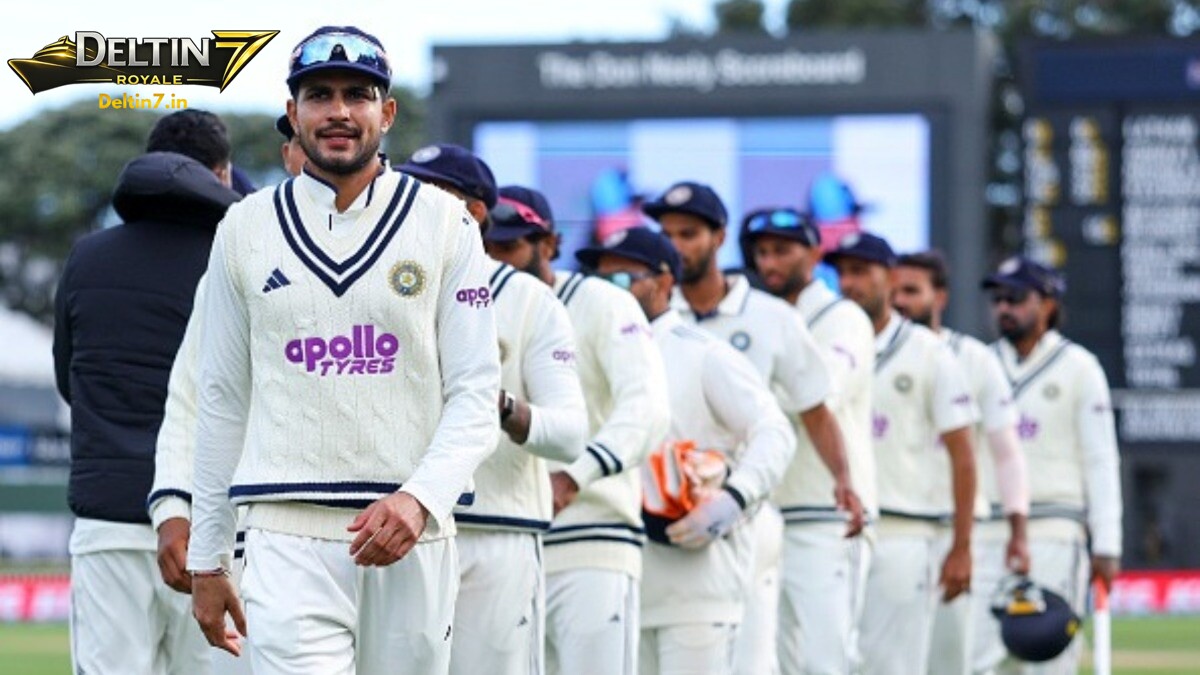
Wellington Test Ends in a Draw, but Questions Remain
India’s Test against New Zealand in Wellington finished without a result, but the conversation around the match has not stopped there. For many Indian cricket fans, the big talking point was whether Shubman Gill and head coach Gautam Gambhir could have pushed harder with their tactical choices. In a match where small moments mattered, the final scoreline opened the door for debate rather than closure.
Test cricket often rewards patience, discipline, and sharp use of conditions. In Wellington, India showed stretches of control, but they also left room for New Zealand to stay in the contest. That balance is what has led many followers of the game to wonder if a more aggressive approach might have changed the shape of the match.
Key Tactical Calls Come Under the Scanner
Whenever a Test ends in a draw, the focus quickly shifts to decision-making at crucial stages. For India, the attention has centred on field placements, bowling changes, and the timing of declarations or attacking moves. Gill, leading a side still developing under pressure, had to manage the match with input from Gambhir, whose coaching style is known for its clarity and willingness to take bold calls.
The question is not simply whether India were too defensive. It is also about whether they maximised the opportunities available during key sessions. In modern Test cricket, the margin between a draw and a stronger result can depend on a single spell, a delayed move, or a missed chance to force the opposition into discomfort.
Why the Draw Feels Like a Lost Opening
For Indian supporters, a draw is not always disappointing by itself. In difficult overseas conditions, avoiding defeat still has value. But when the match appears there to be taken, the result can feel like a missed opportunity. That is the mood surrounding the Wellington Test, where India had phases that suggested more could have been extracted from the situation.
The debate is made stronger by India’s growing ambitions in red-ball cricket. With a young captain and a high-profile coach, expectations are not limited to survival. Fans want a team that can spot openings early and turn them into pressure. When that does not fully happen, scrutiny naturally follows.
Gill’s Leadership and Gambhir’s Influence
Shubman Gill continues to shape his identity as a Test captain. Matches like this are important because they test more than batting or fielding skills; they test judgment, calmness, and the ability to respond when a game changes pace. Against New Zealand, Gill was under the microscope not just for his own role, but also for how he managed the broader match situation.
Gautam Gambhir’s presence adds another layer to the discussion. Known for demanding intensity and accountability, he has been seen as a coach who values strong decision-making. That is why the Wellington result has triggered a wider conversation about whether the team’s leadership group was too cautious at the wrong moments.
What India Can Take Forward
Even in a drawn Test, there are lessons to be extracted. India’s challenge is to build a sharper instinct for when to hold back and when to attack. Overseas Tests can change quickly, and teams that hesitate often allow the opposition to recover. The Wellington match underlined that point once again.
For Gill and Gambhir, the discussion should not just be about one draw. It should be about how India close out future matches when the chance is there. The team has enough talent to compete strongly, but converting promising positions into decisive results will require bolder tactical clarity.
In that sense, Wellington may be remembered less for the draw itself and more for the debate it leaves behind. India did not lose, but they may still have let a promising opportunity slip away.