
Boycott’s Strong View on Two of Cricket’s Biggest Controversies
Former England captain Geoffrey Boycott has stirred debate once again by comparing two of cricket’s most talked-about controversies. In his view, Australia’s ball-tampering episode known as Sandpapergate left a deeper stain on the game than the match-fixing scandal linked to former South Africa captain Hansie Cronje.
Boycott’s comments have drawn attention because both incidents changed the way fans looked at international cricket. One involved deliberate manipulation of match events, while the other brought sport’s spirit under sharp scrutiny after a rough attempt to gain an unfair edge on the field.
For Indian cricket followers, such conversations always hit hard because the game is followed with great emotion and expectation. Any breach of trust can affect how people view teams, players, and the sport’s values.
Why Sandpapergate Still Gets Talked About
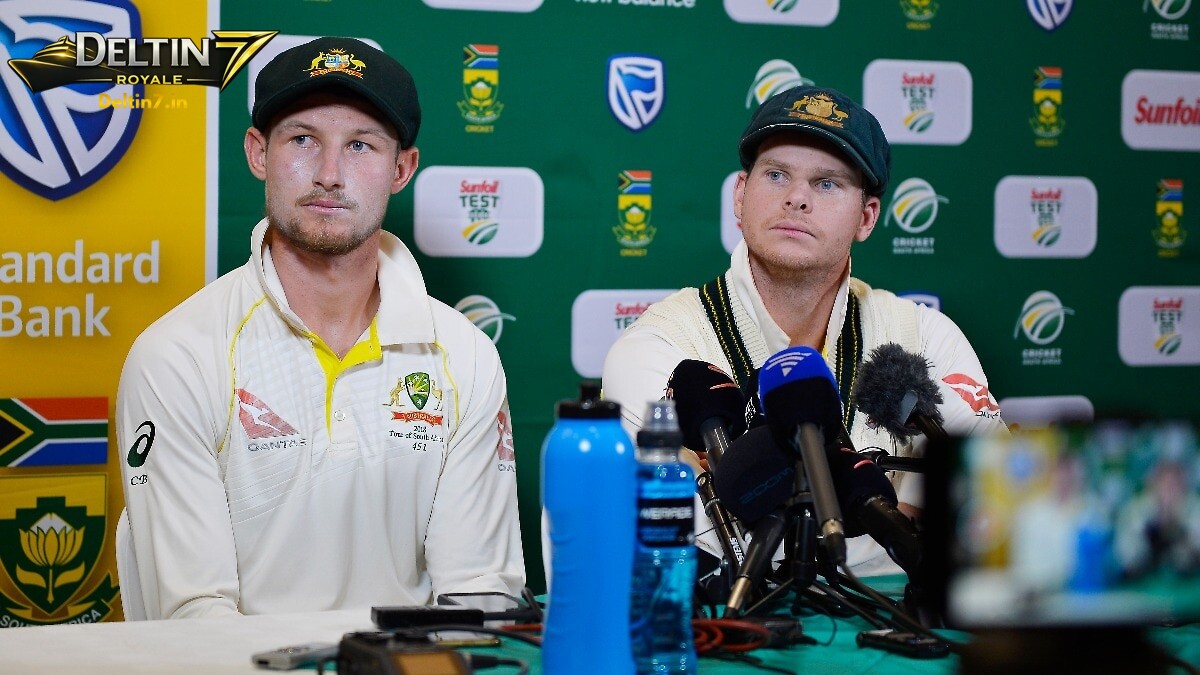
The Australia incident in Cape Town during the 2018 Test series became one of the most widely discussed moments in modern cricket. The controversy centered on the use of sandpaper-like material to alter the condition of the ball, with major consequences for the players involved and for Australian cricket’s image across the world.
Steve Smith and Cameron Bancroft were among the names at the centre of the episode, and the matter led to bans, public criticism, and a long period of reflection for Australian cricket. Even years later, the episode is still recalled whenever discussions turn to fair play and discipline in the sport.
Boycott believes that the nature of the act, its visibility, and the shock it caused made it especially damaging. According to his view, it was not just about rule-breaking but also about how the episode affected the trust fans place in elite-level cricket.
Cronje’s Case and the Shadow It Cast on the Game
Hansie Cronje’s name remains linked to one of cricket’s darkest chapters. The former South African skipper was accused of involvement in match manipulation, a scandal that shook the cricket world in the early 2000s and changed the way administrators approached corruption in the sport.
Match-fixing is often seen as one of the most serious threats to any sport because it targets the very outcome of competition. Cronje’s case led to investigations, reforms, and a much tougher stance from cricket boards and authorities around the world.
Boycott’s comparison has reopened a familiar debate: which form of wrongdoing does more damage to cricket’s reputation—tampering with equipment to gain an advantage, or influencing the result of a match itself?
What Indian Fans Can Take From the Debate
Cricket in India is followed with unmatched passion, and fairness remains one of the sport’s biggest expectations. When controversies involving top players and major teams surface, the discussion goes far beyond one country or one series. It becomes a reminder that the game’s credibility depends on honesty, discipline, and respect for the rules.
For fans who enjoy cricket across formats, these stories also underline why governing bodies continue to focus on strict codes of conduct. Whether it is a Test series in South Africa or a high-pressure contest elsewhere, the spirit of the game matters as much as the result.
Boycott’s latest remark may divide opinion, but it has ensured that two major cricket controversies are once again being discussed side by side. Some may disagree with his ranking, but few will dispute his larger point: when the sport’s integrity is questioned, cricket itself pays the price.