
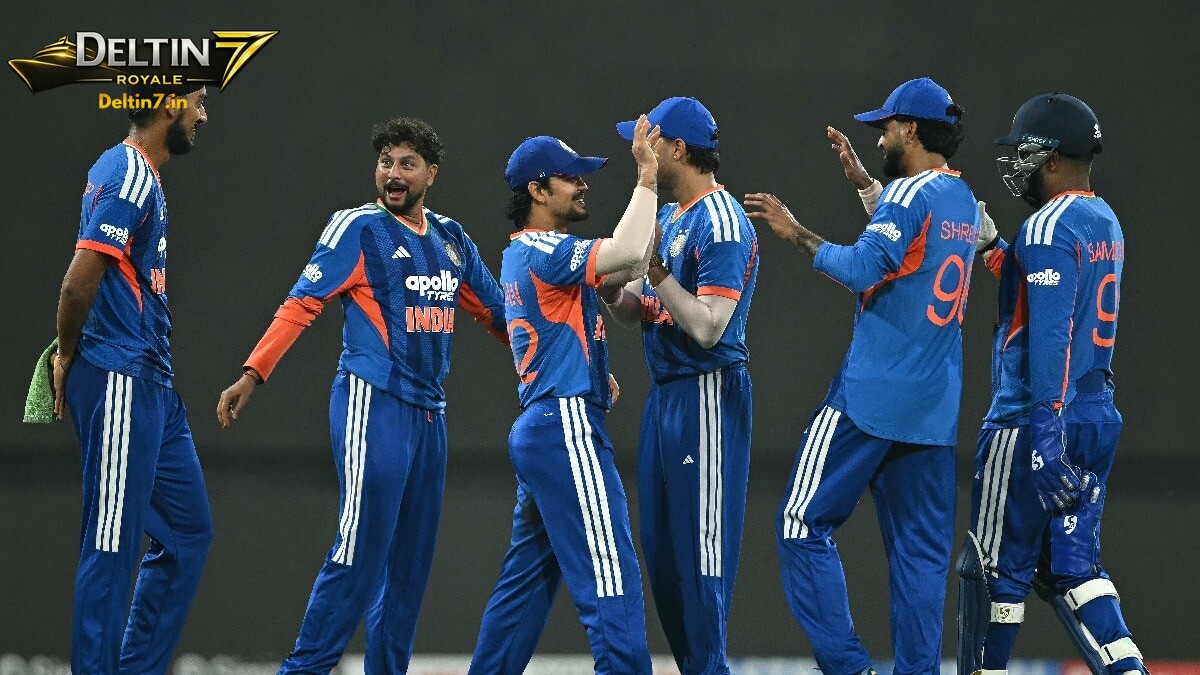
R Ashwin’s Wake-Up Call for Indian Cricket
Veteran off-spinner R Ashwin didn’t mince words following India’s recent defeat to the West Indies in Ranchi. As the Men in Blue struggled to contain the visiting side’s batsmen, Ashwin highlighted a worrying gap in quality among India’s bowling options. With senior campaigners nearing the twilight of their careers, the star spinner believes the team must urgently address the dearth of proven match-winners in the pace and spin departments.
Current State of India’s Bowling Arsenal
India’s bowling bench has long relied on stalwarts like Jasprit Bumrah, Ravindra Jadeja and Mohammed Shami. While these bowlers continue to deliver unforgettable moments, injuries and workload have limited their availability. Ashwin pointed out that beyond the handful of frontline names, the squad lacks reliable back-ups who can step up under pressure. The Ranchi encounter laid bare this vulnerability as the domestic hopefuls struggled to match the intensity and consistency required at the international level.
Challenges Facing the Next Generation
One of the biggest hurdles, according to Ashwin, is the shortage of bowlers who can produce both pace and control. With pitches in India evolving to be more batting-friendly, young pacers often find it tough to extract meaningful seam movement. Similarly, spinners looking to fill Ashwin’s imposing shoes must develop variations to outfox modern batsmen. The spinner emphasised the need for focused mentoring programmes that bridge the gap between domestic dominance and international success.
Leveraging the Domestic Circuit
India’s cricket infrastructure boasts a robust Ranji Trophy and an expanding T20 ecosystem. Ashwin urged the BCCI and state associations to foster greater competitiveness in these tournaments, offering performance rewards and enhanced coaching resources. By increasing match excitement and stakes at the domestic level, upcoming bowlers can experience environments closer to international pressure. He suggested that zonal academies and specialized camps dedicated to fast bowling and spin mastery would accelerate talent development.
Spotlight on Emerging Talent
Ashwin expressed optimism about a few young names who have shown glimpses of promise. He cited bowlers who have impressed in India A tours and ‘A+’ fixtures, emphasising that a structured road map is critical to ensure their transition to the senior side. Fast bowlers with raw pace and spinners with unique skill sets must be given adequate match exposure. Regular rotation policies and inclusion in challenging overseas tours can build their temperament and skill under diverse conditions.
Strategy for Sustained Success
India’s recent triumphs across formats have hinged on a potent bowling attack. To sustain this success, Ashwin underscored the importance of a long-term vision that prioritises depth over short-term gains. Investment in sports action technology, analytics and injury management will not only prolong careers of existing stars but also boost the performance of emerging bowlers. A balanced approach combining white-ball and red-ball opportunities can sharpen skills across formats.
Conclusion: Securing India’s Bowling Legacy
R Ashwin’s candid assessment serves as a timely reminder that India’s cricketing glory rests on a strong bowling foundation. While the path ahead involves challenges—be it pitch conditions, workload concerns or bridging the domestic-international gap—the opportunities are equally abundant. With concerted efforts from administrators, coaches, seniors and rising stars, India can forge a new generation of bowlers ready to uphold the team’s winning tradition. One thing remains clear: the future of Indian cricket will depend as much on its next fleet of bowlers as it does on its batting icons.