
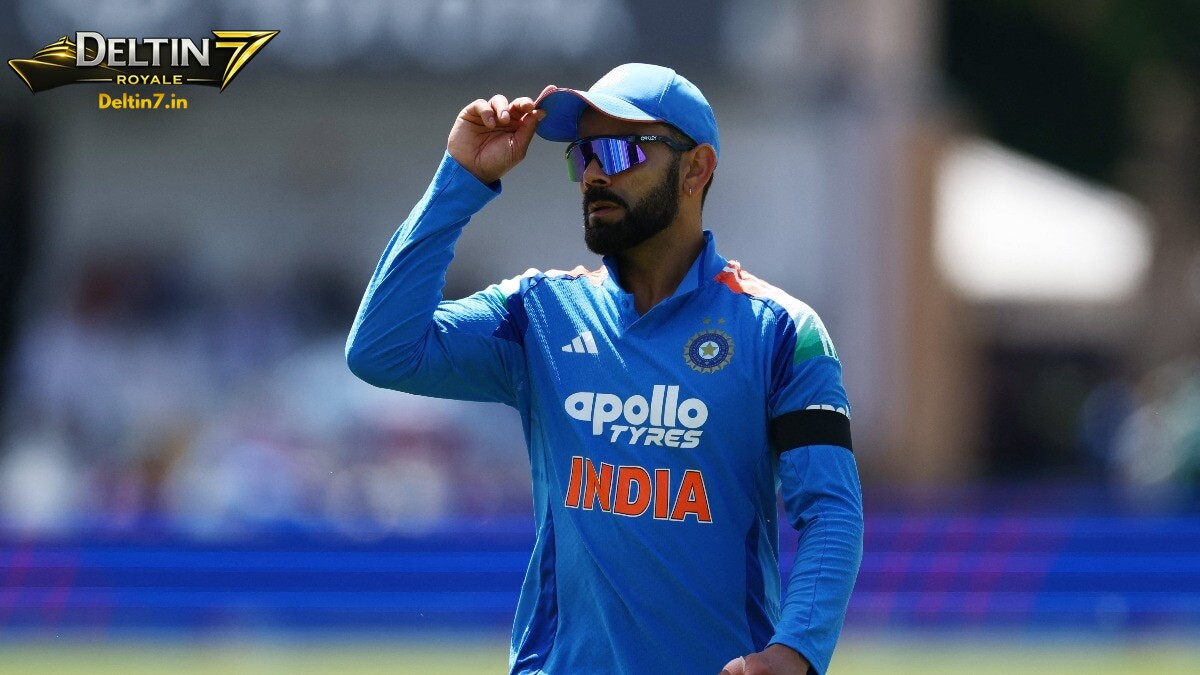
Elevating Fielding Standards
In the ever-evolving world of cricket, fielding has emerged as a decisive factor in tight encounters. No one embodied this shift better than Virat Kohli. According to former India fielding coach T Dilip, Kohli’s relentless commitment to excellence redefined expectations for every member of the team. His boundless energy on the ground, pursuit of perfect technique and insistence on intense drills turned a strong unit into one of the world’s most agile fields.
Training Techniques and Mindset
Dilip recalls mornings that began before sunrise, with Kohli leading dynamic warm-ups and reaction sessions. “He saw fielding as an opportunity to seize momentum,” the coach reflects. By introducing shuttle runs, catch-reaction lamps and ground-fielding relays, Kohli drove the squad to embrace inventive exercises. His belief was simple: if you back your athleticism, you force opponents into errors, creating match excitement and pressure.
Consistency Under Pressure
One of the lasting images from Kohli’s prime fielding days is his outstretched dive to save crucial runs or his lightning-quick pickups in the inner circle. Dilip emphasises that such moments weren’t flukes but the result of repeated simulations. Whether it was a high-pressure chase or a sluggish pitch, Kohli’s unwavering focus ensured that no chance went unpursued—alert traits that shifted the pendulum of many close games in India’s favour.
Leadership by Example
Beyond technique, Kohli’s attitude sparked a cultural change. “He never asked his teammates to do anything he wouldn’t do himself,” says the ex-coach. That leadership style fostered a sense of accountability, encouraging squad members to push their boundaries. Fielding drills became more than routine tasks; they turned into arenas of healthy competition, where small margins translated into big match rewards.
Data-Driven Improvements
Kohli was among the first in the Indian set-up to embrace analytics in fielding. By reviewing video clips, tracking body positions and measuring reaction times, he identified micro adjustments that delivered macro benefits. Dilip highlights one instance where tweaking Kohli’s footwork pattern cut down boundary stops by 20%, an innovation that the entire squad adapted within weeks.
Impact on Team Dynamics
When a key catch or run-out happens, the entire side feels the lift. Kohli recognised this multiplier effect. Dilip notes that his enthusiasm became contagious, making fielding drills some of the most anticipated sessions. Emerging players who once viewed fielding as secondary now approach every session with unmatched focus, inspired by Kohli’s example.
Rewards of Elevated Fielding
The improved fielding not only saved runs but shaped outcomes. India’s recent performances in limited-overs cricket showcased razor-tight defense, often clinching games in the final overs. Spectators on digital platforms and stadium crowds alike savoured these thrilling finishes—testament to the value of sharp fielding in modern sports action.
Looking Ahead
Even as Kohli transitions roles and responsibilities, his legacy in fielding endures. Youngsters now analyse his past matches to master the art of quick pickups, diving stops and precise throws. Coaches across India reference those gold-standard sessions led by Kohli and Dilip, ensuring the baton of exceptional fielding passes seamlessly to the next generation.
Legacy Beyond Batting
Virat Kohli will forever be celebrated for his batting prowess, but his fielding revolution remains equally significant. As T Dilip points out, India’s reputation as one of the world’s sharpest fielding units owes much to Kohli’s vision. In an era where every saved run counts, his influence continues to inspire cricketers across the nation to reach new heights in agility, precision and match excitement.