Rise of Vaibhav Sooryavanshi
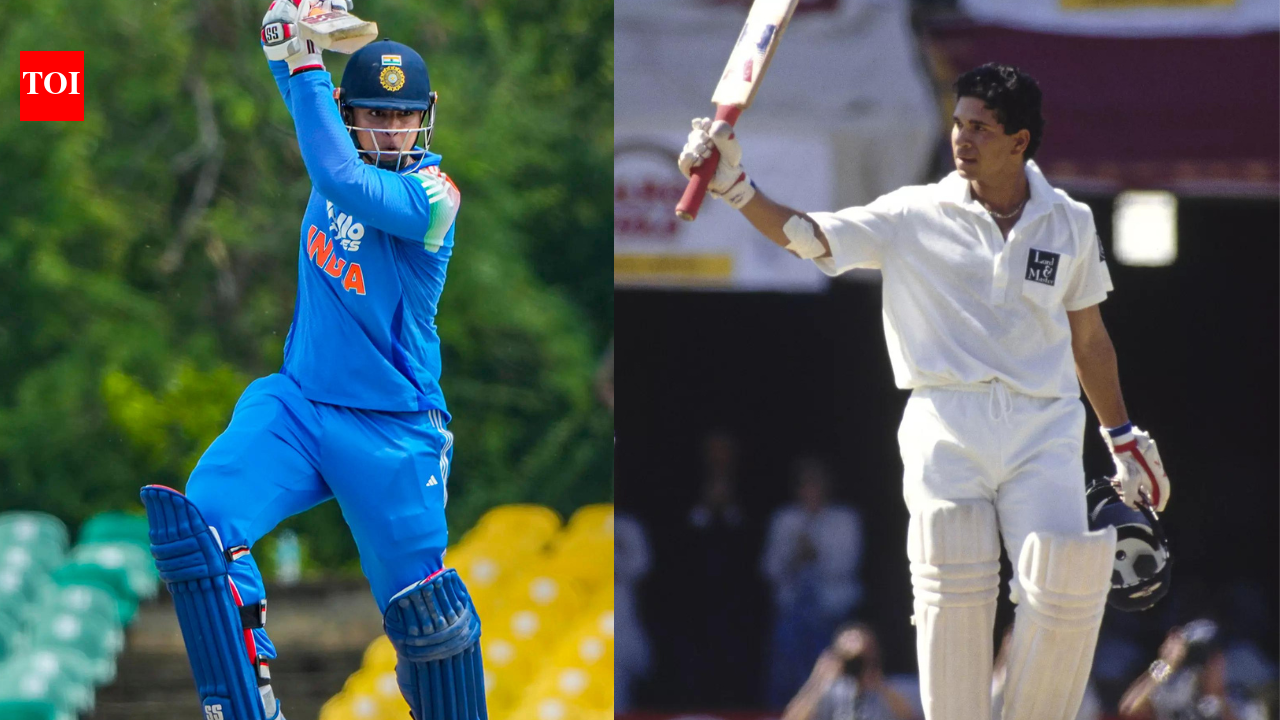
The Indian cricket community is abuzz with excitement over 15-year-old Vaibhav Sooryavanshi, whose dynamic stroke-making and fearless approach at the crease have drawn comparisons to some of the greats. Featuring in age-group tournaments, Sooryavanshi’s ability to clear boundaries with apparent ease has made him one of the country’s most talked-about young prospects.
The Modern Cricket Conundrum: Heavy Bats and High Demands
As the game evolves towards more power-packed hitting and high-octane play, equipment manufacturers respond with bigger and heavier bats. While these bats amplify bat speed and power, they also place significant strain on a young player’s wrists, elbows and shoulders.
Former South African opener Daryll Cullinan, known for his technical prowess in the 1990s, has raised a cautionary flag. He warns that the very tools designed to fuel Sooryavanshi’s match excitement could, over time, lead to overuse injuries that hamper his development.
Lessons from Sachin Tendulkar’s Elbow Warning
Cullinan points to one of the most iconic careers in cricketing history—that of Sachin Tendulkar. In the late 1990s, Tendulkar battled a career-threatening elbow injury that forced him to modify his technique and workload. Despite his legendary status, he had to manage rehabilitation and adjust his batting style to protect his arm.
“Sachin’s talent was undeniable, but even he had to navigate serious joint issues,” Cullinan notes. “Young players like Vaibhav must learn from those experiences and take preventive measures early.”
Prioritizing Youth Cricketers’ Long-Term Health
In response to Cullinan’s warning, coaches and support staff are encouraged to introduce tailored strength and conditioning programmes. Key measures include:
- Wrist-support exercises and physiotherapy sessions.
- Rotational strength training for forearms and shoulders.
- Regular monitoring of match workload and rest periods.
- Technique refinement to ensure efficient shot execution.
By embedding these practices into training routines, young talents can enjoy sustained performance without compromising their long-term well-being.
Looking Ahead: Balancing Performance and Protection
Vaibhav Sooryavanshi’s journey is emblematic of modern cricket’s thrill and the physical toll it can exact. While his fearless approach promises plenty of match excitement, industry experts stress that safeguarding his wrists and joints is just as important as honing his boundary-hitting prowess.
Cricket academies nationwide are now revisiting training protocols, emphasising injury prevention alongside skill development. As Sooryavanshi prepares to scale new heights, a balanced roadmap—infusing workload management, protective gear, and expert guidance—will be crucial.
For Indian sports enthusiasts, the unfolding story of this teenage sensation serves as a timely reminder: raw talent and explosive batting must go hand in hand with judicious care and science-backed training. Only then can tomorrow’s stars shine brightly throughout long, fruitful careers without risking premature setbacks.